Basic Dog Commands for Beginners Practical Training Tips

Anúncios
Training your dog is not just an obligation of pet ownership; it’s a gateway to creating a more harmonious life together. Teaching basic commands lays the groundwork for a lasting and positive relationship between you and your furry friend. A well-trained dog can seamlessly fit into a household, bringing joy and reducing the stress associated with misbehavior.
The Benefits of Teaching Basic Commands
By setting a solid foundation with basic commands, you open the door to numerous advantages:
Anúncios
- Improved communication: When a dog understands basic commands, it is easier for you and your pet to communicate. Clear communication is the cornerstone of building trust and respect between you both.
- Safety: Commands such as “stay” or “come” can prevent dangerous situations. Whether you are walking along a busy street or visiting a dog park, these commands can help you keep control and ensure safety for everyone involved.
- Social skills: A dog adept in basic commands often can behave well around other animals and people. This helps in calming social interactions and reduces anxiety for both the pet and the owner.
Practical Training Tips
Training does not have to be an overwhelming task. It begins with consistency, patience, and positivity. Employ reward-based training methods by using treats or playtime as incentives. Repetition and consistency are key, helping to reinforce the desired behavior steadily but surely.
Top 5 Basic Commands Every Dog Should Learn
Get ready to explore the Top 5 basic commands that can set the stage for a well-behaved dog. These commands include “sit,” “stay,” “come,” “down,” and “leave it.” Each of these commands contributes uniquely to fostering an obedient, happy, and secure pup. With dedication and the right techniques, your dog can not only learn but thrive in various situations, enhancing the quality of life for both of you.
Anúncios
As you delve into dog training, consider the nuances and depth each command brings to the table. From ensuring that your pet is an engaging companion at home to becoming a well-mannered member of broader society, the journey of teaching basic commands is both rewarding and enlightening.
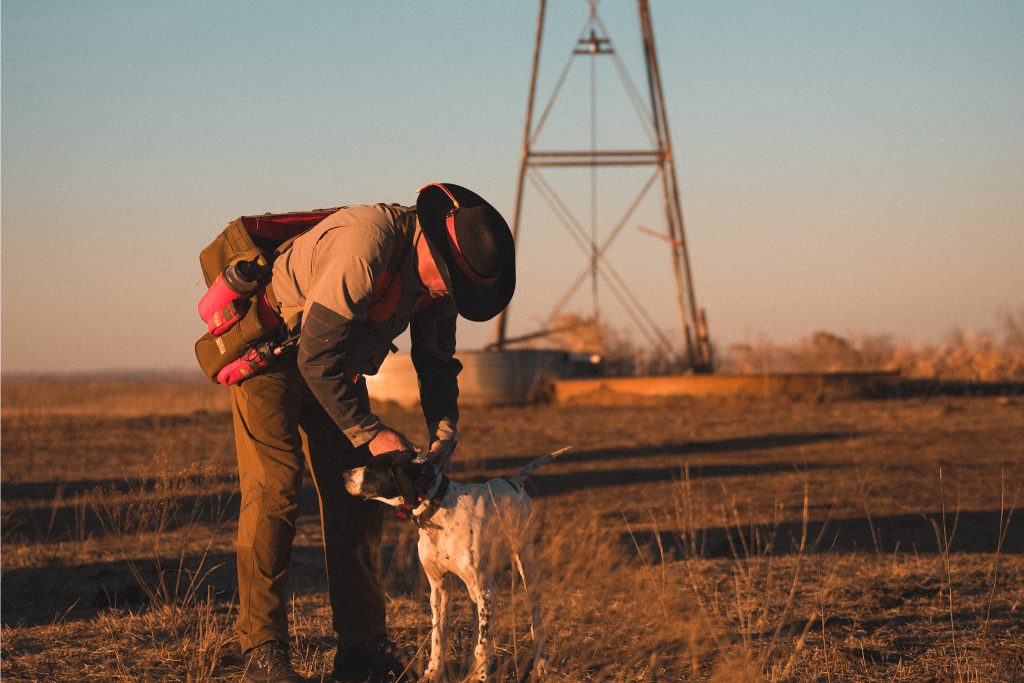
Top 5 Tips for Teaching Basic Commands to Your Dog: Practical Tips for Beginners
Teaching your dog basic commands is a crucial step in developing a strong, healthy relationship with your canine companion. Learning these commands not only helps in day-to-day interactions but also fosters a sense of mutual respect and understanding. Whether you are welcoming a puppy into your home or seeking to improve the behavior of an older dog, the art of training can be simplified with the right approach. Explore these five detailed tips tailored for beginners who wish to succeed in their training endeavors.
5. Make Training Sessions Short and Fun
The attention span of dogs, especially puppies, is comparable to that of a young child. They can be easily distracted, which is why keeping training sessions short and engaging is essential. Sessions lasting about 5 to 10 minutes are ideal, and it’s beneficial to repeat these throughout the day to reinforce learning without overwhelming your dog. Frequent short sessions are more effective than longer, sporadic attempts.
Creating an enjoyable atmosphere fosters a positive learning environment. Incorporate games and exercises to transform training into a playful adventure. For instance, alternating between commands and playful fetch can keep your dog’s energy high and enthusiasm intact. Remember, a happy dog associates learning with fun, significantly improving retention rates for new commands.
4. Use Positive Reinforcement
Positive reinforcement is a well-researched methodology used by expert dog trainers around the world. This technique focuses on rewarding desirable behavior rather than reprimanding mistakes, reinforcing a positive association with specific actions. Start by identifying what motivates your dog the most: is it treats, toys, or affectionate praise?
- Small Treats: Use treats sparingly to avoid overfeeding, opting for healthy, bite-sized options.
- Verbal Praise: Simple praises like “Good job!” in an enthusiastic tone can work wonders.
- Playtime with Favorite Toys: Incorporate a quick game with a beloved toy as a reward for achieving the task.
- Gentle Petting or Belly Rubs: Physical affection conveys approval and strengthens your bond.
This method encourages eager behavior in dogs who quickly learn that good things happen when they follow commands. By maintaining a cheerful and rewarding approach, you make training a more fruitful experience for both parties.
3. Be Consistent with Commands
Consistency in training is fundamental to helping your dog understand and obey commands. Use specific words and consistent hand signals for each command. Avoid confusion by ensuring that every family member employs the same language and gestures. For example, always use “Sit” rather than varying it with terms like “Sit down” or “Seat.”
Additionally, make sure commands are given with a clear voice and concise tone. Dogs can distinguish between different pitches and volumes, so maintain a steady and authoritative tone that signals you’re in control. Consistent interaction simplifies the learning procedure, enabling your dog to become a well-mannered companion swiftly.
2. Start With Basic Commands
Starting with basic commands is a strategic move that sets the foundation for an obedient and responsive pet. These commands address foundational behaviors and prevent common issues by teaching your dog how to react appropriately in various situations. Consider focusing on the following essential commands:
- Sit: Instills discipline, teaching your dog to compose themselves.
- Stay: Reinforces control and patience, essential for safety in crowded areas.
- Come: Vital for recall, ensuring your dog returns to you when needed.
- Down: A calming command, often used to manage overexcited behavior.
By prioritizing these essential commands, you create a structural base for more advanced training sessions later. The early establishment of these skills dramatically improves your dog’s obedience and enhances their integration into human-centric environments.
1. Practice Patience and Celebrate Progress
The journey of training your dog calls for one indispensable element: patience. Each dog learns at their own pace and it’s crucial to remain calm and composed, particularly when things don’t go as planned. Set realistic expectations and understand that mistakes are part of the learning process for both you and your dog.
Celebrating success fosters a positive training experience. When your dog responds correctly to a command after multiple attempts, reward them generously. Recognizing and rewarding small achievements keeps morale high and motivation strong. Training a dog is not just about reaching the end goal but also about enjoying the learning curve and strengthening your relationship along the way.
In essence, by integrating these five comprehensive tips, you create a structured yet flexible training environment conducive to successful canine commands. Dogs offer us unconditional companionship; investing time in their training is a small price to pay for a lifetime of joyous interaction. Remember to embed patience, consistency, and a sprinkle of fun into your regimen to transform training into a delightful experience for both you and your furry friend.
When it comes to teaching your dog basic commands, it’s essential to approach training with clarity, consistency, and an understanding of canine behavior. Training not only fosters a well-behaved pet but also strengthens the bond between you and your furry friend. Let’s delve deeper into practical tips and strategies.One effective method is **positive reinforcement**. This technique involves rewarding your dog for desired behaviors, encouraging them to repeat those actions. Treats, praise, and playtime can serve as effective incentives. Recognizing and rewarding your dog immediately after they perform the command can create a direct association in their mind, making the training process more efficient. Another important aspect is **consistency**. Use the same command words and gestures every time you wish to communicate a command. For instance, if you teach your dog to “sit”, ensure you use the same tone and phrasing each time you issue the command. Consistency helps eliminate confusion and fosters quicker learning.Equally crucial is **patience**. Dogs don’t learn at the same pace as humans, and some commands might take longer than others to master. It’s vital to approach training sessions with a calm demeanor, allowing your dog to progress at their own speed. If your dog gets frustrated, take a break and revisit the command later to keep training enjoyable.Additionally, incorporating **short and frequent training sessions** can contribute significantly to success. Dogs have limited attention spans, so keeping sessions around 5 to 10 minutes can maintain their focus. Regularly practicing these commands in different environments can help your dog generalize their understanding and apply what they’ve learned regardless of location or distractions.Lastly, consider using **clicker training**, which is an excellent way to mark the instant your dog performs a desired behavior. The sound of the clicker provides clear communication and can accelerate the learning process. This method pairs the sound with positive reinforcement, solidifying the association in the dog’s mind. In summary, by utilizing positive reinforcement, maintaining consistency, practicing patience, keeping sessions short, and possibly employing clicker training, you can effectively teach your dog essential commands while also nurturing a loving and harmonious relationship. Your journey into training awaits with numerous practical strategies to explore.
Frequently Asked Questions: Teaching Basic Commands to Your Dog
How long does it typically take for a dog to learn basic commands?
The time it takes for a dog to learn basic commands can vary depending on the dog’s breed, age, and individual temperament. Generally, a dog might start understanding simple commands such as “sit” or “stay” within a few days to a week of consistent, daily training sessions. However, achieving reliable obedience might take longer. It’s crucial to remain patient and maintain consistency, as some dogs may require more time. Aim for short, frequent training sessions—approximately 10 to 15 minutes each—to avoid overwhelming the pet.
What are some effective methods to motivate my dog during training?
Positive reinforcement is a highly effective method to motivate your dog during training. This involves rewarding desired behavior with treats, praise, or playtime. Find what motivates your dog the most. While some dogs respond well to food treats, others might prefer verbal praise or a chance to play with their favorite toy. Timing is also essential; ensure the reward is given immediately after the command is successfully executed to reinforce the behavior.
Can older dogs learn new commands just as easily as puppies?
Yes, older dogs can learn new commands, although it may require more patience than with younger dogs. Puppies often have shorter attention spans but display a natural curiosity that can be advantageous in learning. On the other hand, older dogs, although sometimes more set in their ways, can still learn with persistence and positive reinforcement. The main goal is to make the learning process a positive and enjoyable experience for the dog, regardless of age.
Should I use hand signals or verbal commands, or both?
Using both hand signals and verbal commands can be beneficial in training your dog. Some dogs are more visually oriented and respond better to hand signals, while others may react faster to vocal cues. By teaching both cues simultaneously, you also have the flexibility to command your dog in different situations. It’s important that each hand signal and verbal command is clear and distinct to avoid confusing your dog. Over time, your dog might respond to either one independently.
Conclusion
Teaching basic commands to your dog is not just an exercise in obedience; it’s a crucial step in nurturing a harmonious and respectful relationship between you and your pet. As discussed, the journey to effective dog training requires patience, consistency, and an understanding of your dog’s unique personality.
The top five commands every beginner should start with include “Sit,” “Stay,” “Come,” “Down,” and “Leave It.” These commands are foundational and, when mastered, can significantly improve the safety and enjoyment of your shared life. Training should commence in a calm environment, free from distractions, and gradually introduce complexities as the dog progresses. Remember, positive reinforcement using treats and praise not only makes the process enjoyable for your pet but also strengthens the bond you have with them.
Consistency is key; irregular training sessions can lead to confusion and slower progress. It’s also essential to be mindful of the tone and clarity of your voice, as dogs respond to intonation and volume. While setbacks are part of the learning process, perseverance and adapting your approach will yield positive results.
As you delve deeper into the art of training, remember that what works for one dog may not necessarily work for another. Investigating further into different methods and techniques will only equip you better in this rewarding journey. Ultimately, leading a pet into understanding basic commands is a step towards a well-behaved pup, ensuring both your safety and theirs. As these fundamentals lay the groundwork for more advanced training, they also enrich the overall pet-ownership experience. Embrace this adventure wholeheartedly—it’s an opportunity not just to train, but to connect on a profound level with your furry friend.
Related posts:
Incorporating Scent Work into Your Pet's Training Regimen
Harnessing the Power of Clicker Training for Dogs
Creating a Training Schedule: Balancing Consistency and Flexibility for Your Pet
Cat Training: Effective Techniques to Teach Tricks and Desired Behaviors
Using Games as a Tool for Training and Bonding with Your Pet
Utilizing Technology in Pet Training: Apps and Gadgets that Help

Linda Carter is a writer and pet care expert specializing in pet health, grooming, and wellness. With extensive experience helping pet owners create safe, loving, and enriching environments for their animals, Linda shares her knowledge on our platform. Her goal is to empower readers with practical advice and strategies to ensure their pets thrive and lead joyful, healthy lives.