Using Agility Training to Enhance Your Pet’s Physical and Mental Health
Anúncios
Unlocking Potential Through Play
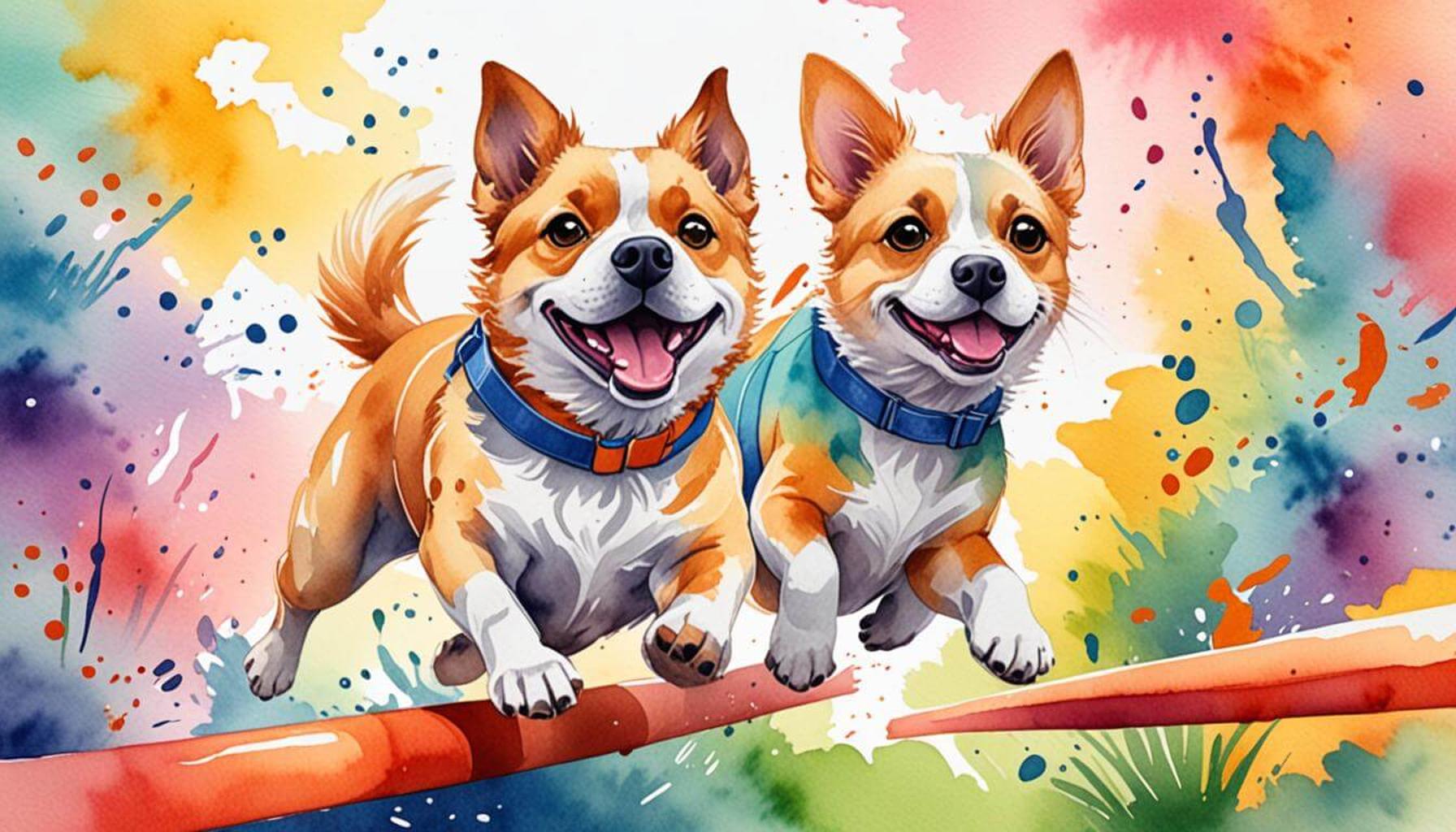
Agility training offers a dynamic and engaging way to promote your pet’s overall health. Not only does it enhance physical fitness, but it also stimulates mental growth, creating a well-rounded companion. As more pet owners realize its benefits, agility training is becoming a popular choice across the United States.
Anúncios
The practice of agility training originated in the 1970s as a spectator sport in the UK but has since gained traction internationally. In the U.S., agility competitions are organized by various kennel clubs, including the American Kennel Club (AKC), showcasing the skills and abilities of dogs and their handlers. This competitive aspect not only provides motivation but also encourages owners to train consistently and creatively with their pets.
By incorporating agility exercises, you can expect significant improvements in various areas, including:
Anúncios
- Physical Condition: Activities such as weaving through poles, jumping over hurdles, and navigating tunnels are excellent for building strength, endurance, and flexibility. Regular participation in agility training can improve cardiovascular health and muscle tone, helping to combat obesity in dogs—a pressing issue that affects many pets in the United States.
- Mental Engagement: Agility training requires dogs to focus and utilize problem-solving skills as they navigate courses. This mental engagement is critical, particularly for high-energy breeds, as it helps to reduce undesirable behaviors that often arise from boredom or lack of stimulation.
- Bonding Experience: The collaborative nature of agility training fosters a strong bond between you and your pet. Working together to master new skills builds trust and communication, ensuring that your dog feels supported and confident. The time spent training and playing creates shared memories that enrich your relationship.
Moreover, agility training isn’t just for athletic dogs—any breed can participate, regardless of their age or fitness level. Offering numerous opportunities for socialization, mental stimulation, and even behavioral improvements, agility can be particularly beneficial for shy or anxious pets. A dog that may typically be reserved can flourish in an agility setting among peers, learning to navigate not just the equipment but social dynamics as well.
As you delve into agility training, keep in mind the equipment needed—items such as jumps, tunnels, and weave poles can be found at pet stores or can be easily crafted at home. Additionally, effective training methods involve positive reinforcement techniques to encourage your dog and to create a fun, rewarding experience. It’s essential to approach this training with a mindset of gradual progression, starting with simple exercises before moving to more complex challenges.
With the right approach, agility can transform not only your pet’s health but also their happiness. Explore the world of agility training and unlock your pet’s hidden potential! Dive into local training classes or online resources to discover beginner courses and expert tips, ensuring that you and your furry friend embark on this exciting journey together.
DISCOVER MORE: Click here to learn about the best feeding options for your pet
The Benefits of Agility Training
As we explore the multifaceted benefits of agility training, it’s crucial to understand how it uniquely supports both your pet’s physical health and mental well-being. Engaging in this form of exercise is not just about racing through an obstacle course; it’s a holistic approach to pet care that can yield substantial improvements in your furry companion’s quality of life. Below are several key benefits that agility training brings to the table:
- Enhanced Coordination and Balance: Agility courses challenge pets to sprint, jump, and weave, promoting improved coordination and balance. These are essential skills that contribute to overall physical function, particularly in older dogs who may be prone to mobility issues. Regular agility practice not only enhances these skills but also helps prevent injuries that can arise from sudden movements.
- Increased Energy Levels: Unlike routine walks or casual play, agility training offers varying levels of physical exertion that can significantly raise your pet’s energy levels. This heightened activity is essential for breeds known for their high energy or working dogs that thrive on physical and mental challenges. Engaging in agility training can lead to a more balanced and content pet that is less prone to behavioral issues stemming from boredom.
- Improved Focus and Training Response: As dogs navigate through obstacles, they must pay attention to their handler’s commands and cues. This process sharpens their listening skills and reinforces training responses. Research suggests that regular agility training can increase a dog’s patience and ability to follow instructions, laying the groundwork for more advanced commands and behaviors.
- Social Skills Development: Participating in agility classes or competitions offers pets a unique opportunity for socialization. Dogs often thrive in environments where they can interact with peers, and agility training provides a constructive outlet for social engagement. This exposure can be invaluable for shy or nervous dogs, gradually building their confidence as they learn to socialize in a fun and controlled setting.
The effectiveness of agility training goes beyond mere physical exertion; it nurtures a deeper connection between you and your pet. The trust developed through consistent training creates an atmosphere of encouragement and support. This bond can have lasting impacts, not just on your dog’s mental state, but also on their emotional stability, as they learn to rely on you for guidance.
To maximize the benefits of agility training, consider setting specific goals for your pet and yourself. Start with basic agility exercises tailored to your pet’s skill level, gradually increasing the complexity as they progress. It’s vital to pace the training sessions to match your pet’s learning speed and physical condition, ensuring a safe and enjoyable experience. By adopting a positive reinforcement approach, you can make training sessions a rewarding adventure for both you and your furry companion.
In the following sections, we will delve into practical tips for setting up agility training at home, selecting proper equipment, and finding local classes that align with your pet’s unique needs. Join us as we continue to explore how agility training can transform not just your pet’s physical fitness, but their overall well-being.
| Advantages | Details |
|---|---|
| Improved Physical Fitness | Agility training enhances your pet’s strength, stamina, and overall physical health by engaging them in activities that require power and speed. |
| Enhanced Mental Stimulation | The challenges presented in agility courses promote problem-solving skills, making your pet mentally sharp and enhancing their obedience. |
| Strengthened Bond | Participating in agility training together fosters a positive relationship between you and your pet through joint activities that build trust and connection. |
| Confidence Building | Completing agility courses helps to boost your pet’s self-esteem, making them more confident in facing new experiences and challenges. |
Engaging your pet in agility training is not just about exercise; it’s a holistic approach to enhancing physical and mental health. Various studies highlight the significance of physical activity in reducing behavioral issues in pets. Incorporating agility tasks can alleviate anxiety, provide necessary stimulation, and promote a happier life for your pet. Through this practice, you not only contribute to your pet’s well-being but also create an environment filled with joy and interaction. Each obstacle faced during training translates into improved life skills, benefiting both you and your furry companion. As they navigate through various challenges, they learn and grow, paving the way for lifelong benefits.
LEARN MORE: Click here to dive deeper into essential nutrients for your pets
Setting Up for Success: Creating the Right Environment for Agility Training
To fully reap the benefits of agility training, creating an optimal training environment is paramount. This environment not only impacts your pet’s ability to learn but also their enthusiasm for engaging in these activities. Here, we delve into the crucial aspects of establishing a conducive space that fosters both physical activity and mental stimulation.
Choose the Right Space
The first step is selecting a suitable location. Whether you set up an agility course indoors or outdoors, it is important to ensure that the space is safe and free of distractions. An open area allows your pet to move freely, while also enabling you to supervise closely. Outdoor parks with flat, grassy surfaces are ideal, but backyards can serve as excellent venues for home practice. Consider utilizing parks that have agility equipment installed, which can provide a new level of engagement for your pet.
Selecting Equipment
When it comes to agility equipment, variety is key. Basic items include tunnels, jumps, weave poles, and seesaws. You can either purchase ready-made agility kits or build your own using materials from home improvement stores. For example, PVC pipes can easily be assembled to create jump bars, while children’s play tunnels offer an exciting challenge. Always ensure that the equipment is sturdy and safe, as even minor accidents could discourage your pet from participating in the future.
Training Techniques that Work
Once you have the right space and equipment, employing the right training techniques is crucial. Positive reinforcement techniques are essential to make agility training enjoyable for your dog. Praise, treats, and toys can motivate your pet to repeat desired behaviors and navigate obstacles with enthusiasm. Structure your training sessions to include a mix of practice and play, as this keeps the experience light-hearted and engages your pet’s natural instincts. A common practice is to alternate between practice runs and play breaks to maintain high energy levels throughout the session.
Setting Realistic Goals
Creating achievable milestones helps keep both you and your pet focused and determined. Start with simple tasks like encouraging your dog to complete a single jump or navigate a straight stretch of the tunnel. As they gain confidence and competence, gradually introduce more complex skills. Tracking your pet’s progress can motivate not just them, but you as well. Documenting success through videos or photos can serve as a wonderful reminder of the fun moments shared during training.
Safety First
As in all physical activities, ensuring your pet’s safety is paramount. Warm-ups and cool-downs can help prepare your pet’s muscles and prevent injuries. Always monitor your pet’s physical condition during agility training—if they show signs of fatigue or discomfort, it’s important to allow adequate rest. Regular veterinary check-ups are recommended, especially for older dogs or those with pre-existing health conditions, to confirm that they are fit for agility work.
The journey of agility training not only nurtures your pet’s physical and mental health but also enriches your bond, making each moment spent together a testament to the connection you both share. By focusing on a supportive training environment and safe practices, agility training becomes a fulfilling endeavor that brings numerous rewards for you and your pet alike. In the next section, we will explore local resources and community classes that can further enhance your agility training experience.
DIVE DEEPER: Click here to discover pet enrichment techniques
Conclusion: The Transformative Power of Agility Training
In conclusion, agility training is a multifaceted approach that not only transforms your pet’s physical conditioning but also significantly enhances their mental stimulation. This engaging form of exercise creates a dynamic interplay between skill development and playful bonding, fostering both strength and responsiveness in your animal companion. As we’ve explored, the right environment, appropriate equipment, effective training techniques, and a strong emphasis on safety are essential components that can maximize the benefits of agility training.
Moreover, agility training can serve as a gateway to deeper relationships between pets and their owners, as the shared experience of learning and overcoming challenges together nurtures trust and affection. By setting realistic goals and regularly tracking progress, both you and your pet can celebrate achievements big and small, enhancing motivation and confidence.
Additionally, community engagement can further enrich this journey. Participating in local agility classes or events not only provides valuable guidance from experienced trainers but also opens doors to a supportive network of fellow pet enthusiasts. These connections can lead to new friendships and shared experiences, reinforcing the joy that comes from agility training.
Ultimately, investing time in agility training as a fun, active prospect offers a holistic approach to your pet’s overall well-being, contributing to a happy, healthy, and fulfilled life. If you’re considering embarking on this exciting path, start small and remain consistent, and watch as your pet blossoms into a more agile, confident, and responsive partner in life.
Related posts:
Positive Reinforcement: Building a Strong Bond Through Training
Training for the Unexpected: Preparing Your Pet for Emergencies
Positive Reinforcement Cat Training Transforming Feline Behavior
Using Games as a Tool for Training and Bonding with Your Pet
Effective Techniques for House Training Your Puppy
Understanding the Role of Breed Characteristics in Training Approaches

Linda Carter is a writer and pet care expert specializing in pet health, grooming, and wellness. With extensive experience helping pet owners create safe, loving, and enriching environments for their animals, Linda shares her knowledge on our platform. Her goal is to empower readers with practical advice and strategies to ensure their pets thrive and lead joyful, healthy lives.