Training Your Pet for Specific Activities: From Hiking to Swimming
Anúncios
Creating Lasting Memories with Your Pet
Every pet owner understands the immense gratification that accompanies spending quality time with their furry companions. Activities such as hiking, swimming, or even camping can amplify this joy, offering exciting opportunities to explore the great outdoors together. However, success in these adventures relies heavily on appropriate training, ensuring both safety and enjoyment for you and your pet.
Anúncios
Different outdoor activities necessitate specific training methods tailored to the needs of your pet. Here are a few popular activities along with the essential skills your companions should master:
- Hiking: Mastery of basic obedience commands like “come,” “sit,” and “stay” is crucial on trails. These commands can be lifesavers when encountering wildlife or navigating busy paths. Additionally, getting your pet accustomed to a leash or harness can enhance their safety and control.
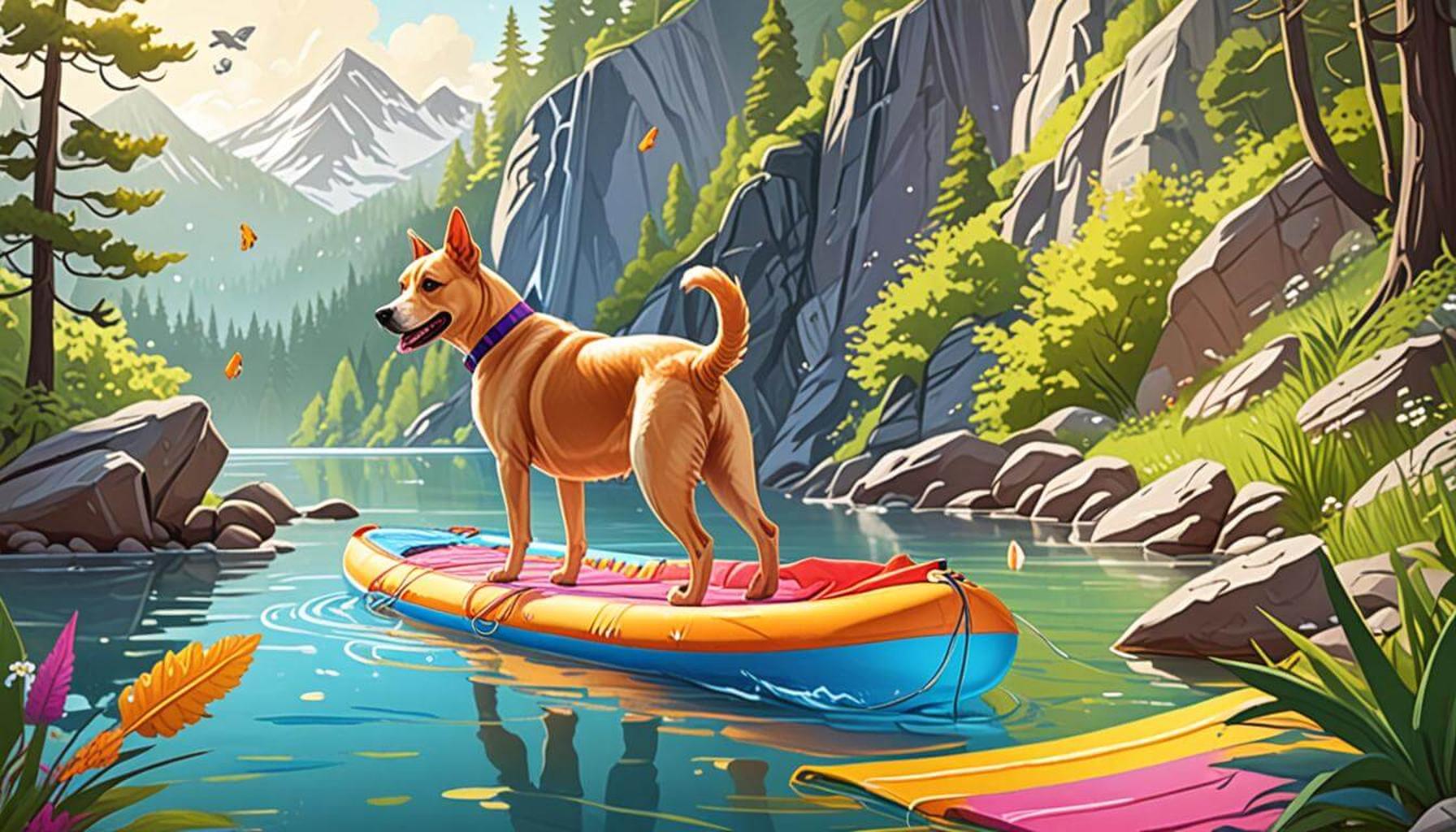
- Swimming: If you’re planning a lake day or a trip to the beach, training your pet to understand how to enter and exit the water safely is vital. Start with shallow water, allowing them to experience the sensation gradually, and consider investing in a life vest for added security.
- Camping: Familiarize your pet with the various sounds and smells of nature. This exposure can help reduce anxiety and build confidence in uncertain environments. Setting up practice camps in your backyard can be an excellent way to acclimate them to tent life.
- Agility courses: Engaging your dog in agility training not only stimulates their mind but also enhances their physical coordination. Exercises involving jumps, tunnels, and weave poles provide fun challenges while improving their overall fitness.
Recognizing your pet’s unique requirements can greatly simplify the training process. High-energy dogs often thrive with agility workouts, while anxious or reserved pets may benefit from slower, more methodical training techniques. For example, a bouncy Labrador might enjoy running alongside you on trails, while a shy Chihuahua may appreciate a calm, reassuring approach to hiking.
Anúncios
In the upcoming sections, we will delve deeper into effective training methods and tips tailored for different adventures. From the perfect hiking trail to the best swimming spots and camping tips in the United States, our focus will be on ensuring you and your pet can embark on exhilarating escapades, creating cherished memories that last a lifetime.
LEARN MORE: Click here to discover the significance of animal-assisted therapy
Essential Training Techniques for Outdoor Adventures
Embarking on outdoor activities with your pet can be an incredibly rewarding experience, but it requires foresight and preparation. A well-trained pet not only enhances safety but also ensures a more enjoyable outing for both of you. Whether you’re gearing up for a scenic hike, an invigorating swim, or a weekend camping trip, the right training can make all the difference. Here’s a closer look at how to effectively prepare your furry friend for these specific activities.
Training for Hiking Adventures
When it comes to hiking, one of the first steps is ensuring your pet can respond reliably to basic obedience commands. Commands such as “come,” “sit,” and “stay” are essential for navigating trails safely. For example, you might encounter wildlife or other hikers, where having your pet respond immediately to a “sit” command can prevent potential issues.
In addition to these commands, it’s also important to familiarize your pet with walking on a leash or harness. This not only keeps them safe but also allows for greater control during unexpected situations. Train your pet to walk calmly beside you, which can be achieved with consistent practice and positive reinforcement.
- Practice Locally: Begin your training in a familiar, low-distraction environment such as your backyard or local park.
- Gradual Exposure: Once your pet is confident with basic commands, venture to more crowded and complex trails.
- Use Treats: Keep plenty of treats on hand to reward good behavior and encourage your pet to stay focused.
Swimming Safety and Preparedness
For many pets, swimming is a natural instinct; however, it’s essential to ensure they can enter and exit the water safely. Begin training your pet for water activities by introducing them to shallow water. This gradual exposure helps them acclimate without feeling overwhelmed. Here’s how you can encourage your pet to feel more at ease in water:
- Get Them Used to Water: Start with a kiddie pool or at the edge of a lake so your pet can get used to the sensation of water.
- Use a Life Vest: Consider investing in a pet-specific life vest, especially for breeds not naturally designed for swimming.
- Teach Exit Commands: Train your pet to recognize cues that guide them out of the water safely. Commands like “over here” can be beneficial.
Understanding your pet’s unique personality and energy levels is crucial when planning your training. While high-energy dogs may thrive during rigorous hiking sessions or swimming adventures, older or more timid pets may require a gentler approach. Observe your pet’s behavior and adapt your training techniques to ensure they are comfortable and enjoy the experience.
Starting off on the right paw can lead to countless outdoor memories with your furry friend. Stay tuned as we explore more specialized training methods and tips for other activities, ensuring that both you and your pet make the most out of every adventure.
Training Your Pet for Specific Activities: From Hiking to Swimming
Training your pet for specific activities provides an array of advantages that enhance the bond between you and your furry friend while promoting their health and happiness. Engaging in outdoor activities or water sports with your pet not only enriches their daily routine but also allows them to develop essential skills that can be beneficial in various situations.
Advantages of Tailored Training
| Category | Key Features |
|---|---|
| Physical Fitness | Regular activities like hiking and swimming enhance cardiovascular health. |
| Mental Stimulation | Learning various activities provides mental challenges that boost cognitive abilities. |
| Socialization | Activity training encourages social interaction with other animals and people. |
| Safety Awareness | Training teaches your pet to be attentive to surroundings, ensuring a safer experience. |
Introducing your pet to new activities fosters curiosity and adjusts behavioral patterns, making them more adaptable to different environments. Whether you’re scaling a mountain or paddling in a calm lake, the shared experiences will undoubtedly strengthen your relationship and make lasting memories.With a planned approach to training, you’ll find that not only is your pet more prepared for their new adventures, but they will also enjoy their time with you even more, all while building a myriad of skills that contribute to their ongoing development. Take the leap and explore the world of training your pet; the benefits extend far beyond simple enjoyment!
DISCOVER MORE: Click here to learn effective training techniques
Specialized Training for Outdoor Fun
As we delve deeper into the world of outdoor adventures, it becomes increasingly clear that each activity demands a unique set of skills and training for your pet. From navigating rocky terrains to coping with water currents, the ability to adapt is essential. Let’s explore specific strategies for activities that can significantly elevate your pet’s outdoor experience.
Training for Camping Trips
Camping offers pets the opportunity to experience the sights and sounds of nature, but it also calls for particular precautions and training. A well-trained pet can thrive in the great outdoors, making the experience more enjoyable for both of you.
- Introduce the Tent Environment: Before hitting the campground, set up your tent in your backyard or living room. Allow your pet to explore, providing treats for positive associations with their new living space.
- Practice “Quiet” Commands: Training your pet to understand and respond to commands like “quiet” can be crucial when camping near other groups. A barking pet can quickly become a nuisance.
- Leash Training in New Spaces: Practice walking on a leash in varied terrains such as sandy areas or rocky paths, which are common in camping environments.
Many camping enthusiasts opt for dog-friendly parks across the United States, such as Yosemite National Park, which mandates that pets be on leashes at all times. Understanding the rules and regulations of your chosen camping site is critical to ensuring an enjoyable trip for you and your four-legged companion.
Agility Training for Pets
For adventurous pets and their owners, agility training presents an exciting opportunity to develop skills that can be applied in various outdoor contexts. Dogs benefit immensely from the mental and physical stimulation agility courses provide. Here’s how to get started:
- Start with Basic Equipment: Use items like cones, tunnels, or small jumps to create a DIY agility course in your backyard. This introduction to agility can develop confidence.
- Positive Reinforcement: Always reward your pet with treats and praise when they successfully navigate an obstacle. This reinforcement helps build a strong bond between you and your pet.
- Join Training Classes: Consider enrolling in local agility training classes. Many communities in the U.S. have clubs that offer programs, which can significantly improve your pet’s skills.
Agility training not only enhances physical fitness but also strengthens your pet’s instinctive drive and focus, preparing them for more dynamic activities such as hiking with varied terrains and navigating different obstacles in the wild.
Socializing Your Pet for Outdoor Activities
One often underestimated aspect of outdoor training is the socialization of your pet. A well-socialized dog can handle encounters with other pets and people much more effectively. Socialization should start early but can continue throughout your pet’s life:
- Frequent Dog Parks Visits: Make regular trips to dog parks to expose your pet to different breeds and sizes, ensuring that they learn to play and interact appropriately.
- Group Walks or Hikes: Join local pet walking or hiking groups where your dog can interact with others under supervision, fostering calmness and good behavior around others.
- Exposure to Diverse Environments: Take your pet to various environments, from busy urban streets to quiet nature trails, helping them adapt to multiple environments.
The key takeaway is that the bond you foster through proper training, socialization, and preparation for specific activities such as hiking, camping, and swimming will cultivate a sense of adventure and safety for both you and your furry companion. With patience and consistency, you’ll be ready to share memorable experiences with your pet, no matter the outdoor challenge ahead.
DISCOVER MORE: Click here to learn about essential nutrients for your pets
Conclusion: Unlocking Adventure with Your Furry Companion
In the realm of outdoor activities, the connection between you and your pet can be profoundly enhanced through systematic training tailored to each experience. Training your pet for specific activities, whether it’s hiking, swimming, or camping, not only builds essential skills but also fosters a sense of trust and communication between you. By implementing strategies such as introducing new environments, practicing commands, and promoting socialization, you will not only prepare your pet for the great outdoors but also enrich their overall quality of life.
Additionally, engaging in activities like agility training can provide your pet with the physical and mental stimulation they crave. These experiences create more than just opportunities for adventure; they build lasting memories and strengthen the bond you share. Each hike up a rugged trail, swim in a peaceful lake, or night under the stars brings with it unique lessons for both of you.
As you embark on these outdoor explorations, remember that patience and consistency are critical components of successful training. The enjoyment you derive from these activities will stem from the careful preparation and fun you impart to your pet. So gear up, dive into the world of outdoor adventures, and discover the joy of sharing unforgettable experiences with your four-legged friend. The great outdoors is waiting for you both to create many new stories!
Related posts:
Socialization Strategies for Fearful or Shy Pets
Understanding the Role of Breed Characteristics in Training Approaches
Positive Reinforcement: Building a Strong Bond Through Training
Creating a Training Schedule: Balancing Consistency and Flexibility for Your Pet
Fun and Engaging Tricks to Teach Your Dog for Mental Stimulation
Creating a Consistent Training Routine for Your Pet

Linda Carter is a writer and pet care expert specializing in pet health, grooming, and wellness. With extensive experience helping pet owners create safe, loving, and enriching environments for their animals, Linda shares her knowledge on our platform. Her goal is to empower readers with practical advice and strategies to ensure their pets thrive and lead joyful, healthy lives.