The role of play in the social development of cats: insights on behavior and interaction
Anúncios
Understanding the Role of Play in Cat Behavior
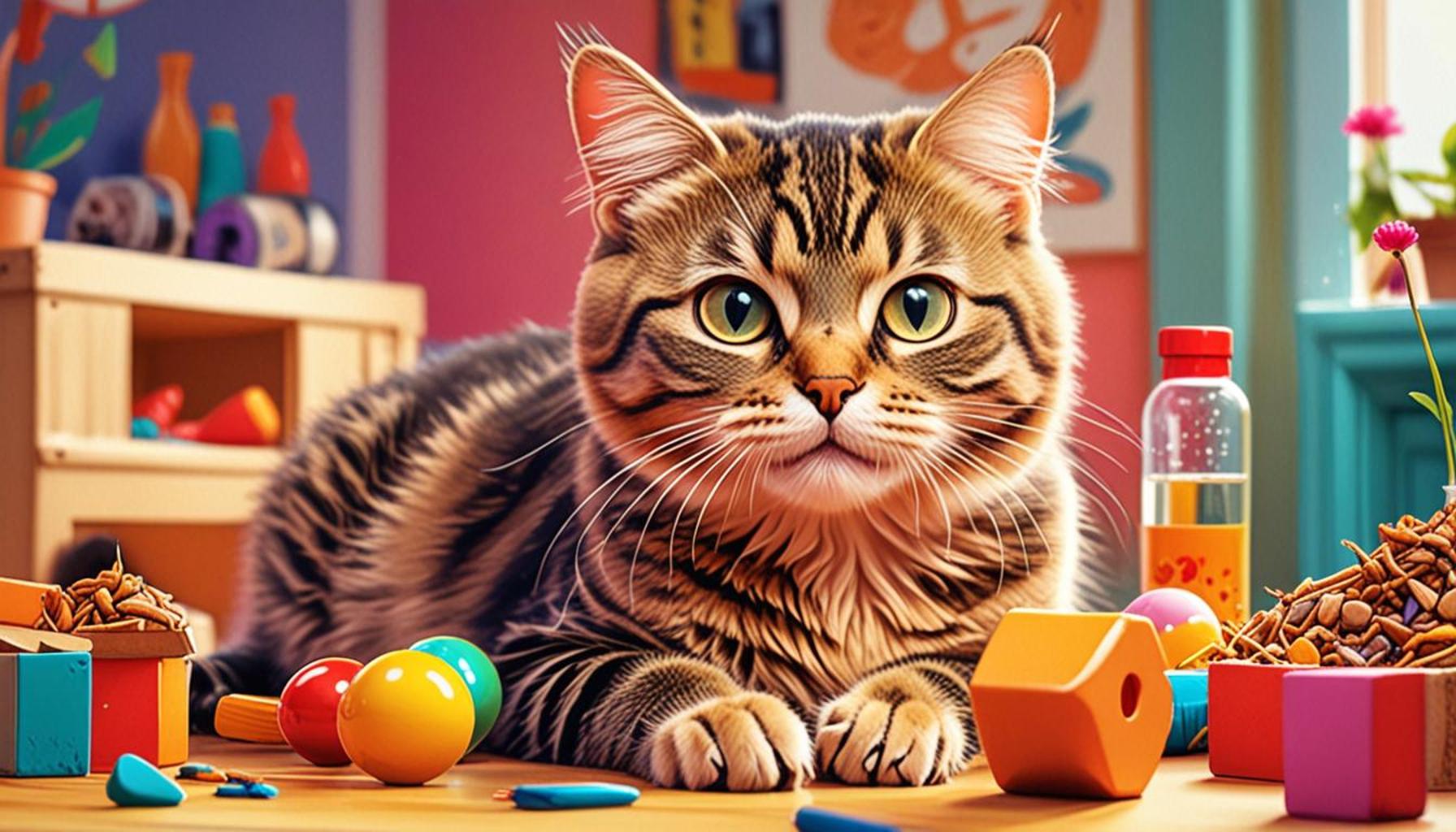
For many cat owners, playtime is often seen as a delightful bonding experience. However, it plays a much more significant role in the social development of our feline friends than mere entertainment. The dynamics of cat play encompass various essential behaviors that contribute to their well-being and social interactions.
Anúncios
Development of Hunting Skills: One of the primary functions of play in cats is to mimic the essential behaviors of hunting, which sharpens a cat’s predatory instincts. When kittens bat at strings or pounce on toy mice, they practice the skills needed to catch prey. This behavior is not just instinctual; it has evolutionary significance. In the wild, proficient hunters are more likely to survive and reproduce. Play allows domestic cats to keep those instincts honed, even in comfortable homes where hunting for sustenance is unnecessary.
Social Interaction: Engaging in play also fosters social bonds. Cats that play together—whether with other felines or with their human companions—enhance their social skills and learn to understand crucial social cues. For instance, play fighting among kittens can teach them boundaries and how to control their biting and scratching, preventing over-aggression as they mature. Similarly, interactive play with humans, using wand toys or laser pointers, strengthens the bond between owners and their cats, making both parties feel more secure and happy in their environment.
Anúncios
Confidence Building: Furthermore, play helps cats gain confidence and comfort in their surroundings. A cat that feels secure enough to engage in active play demonstrates trust in its environment and caregivers. For timid or shy cats, introducing gradual playtime can significantly improve their confidence levels. Using toys that mimic prey movements can evoke a cat’s natural curiosity and give them opportunities to explore their surroundings, which is crucial for emotional health.
Through play, cats showcase their personalities, express their energy, and communicate with others. This behavioral aspect acts as a tool for learning and adaptation, an outlet for pent-up energy, and a means to relieve stress. For example, a cat may zoom around the house, displaying bursts of energy after a stimulating play session, indicating that they have effectively utilized their playtime.
Exploring the dynamics of play can provide a deeper understanding of how cats thrive socially. It reveals the complexity of their interactions and the fundamental role play serves in shaping their behavior. To truly appreciate the remarkable world of feline play, consider observing your cat’s play preferences, the types of toys they favor, and their interactions with humans and other pets. Each nuance offers vital clues about their social development and emotional needs.
Join us as we delve into the fascinating world of feline play, unlocking vital clues about their social dynamics and interactions. By understanding these behaviors, cat owners can create more enriching environments that cater to their pet’s needs, ensuring happier, healthier lives for their furry companions.
DISCOVER MORE: Click here to learn how pets can boost your health
The Multifaceted Benefits of Play in Cats
Understanding the role of play in the social development of cats reveals a wealth of benefits that extend far beyond the simple joy of chasing a feather or batting at a toy mouse. Play serves as a crucial platform for both physical and emotional growth, shaping interpersonal relationships among felines and with their human companions. As cat owners, comprehending these dynamics can help us foster environments that enhance well-being and social engagement.
Physical Exercise: One of the most apparent benefits of play is the physical exercise it offers. Play initiates a range of movements such as running, jumping, and climbing, which help maintain a cat’s physical health. Engaging in such vigorous activities not only aids in weight management but also strengthens muscles and improves flexibility. For indoor cats, where activity levels may be limited, structured playtime becomes even more critical in preventing obesity and obesity-related health issues.
Cognitive Development: Beyond physicality, play acts as an essential catalyst for cognitive development in cats. Interaction with various toys—be it a simple ball of yarn or more sophisticated puzzle feeders—stimulates a cat’s mental faculties, encouraging problem-solving and critical thinking. Kittens, in particular, benefit significantly from exposure to diverse stimuli during playtime, which helps them develop skills needed for navigation, strategy, and environmental awareness.
Types of Play and Their Importance
Different types of play offer distinct advantages for social development. Understanding these categories can enhance the play experience for your feline companion:
- Solo Play: Activities like chasing balls or batting at flying feathers allow for self-exploration and independent skill development. These sessions help cats learn how to entertain themselves, which is crucial for emotional health when left alone.
- Social Play: Interaction with other cats or pets during play fosters teamwork and communication. This type of engagement allows cats to express themselves through body language and vocalization, reinforcing social cues that govern feline interactions.
- Interactive Play: Engaging with humans using toys such as feather wands or laser pointers creates a strong bond. This interaction not only enriches the cat’s life but also teaches them to interact positively with humans, lowering stress and promoting happiness.
Stress Relief: Engaging in play serves as an excellent outlet for stress and anxiety. Cats are naturally curious creatures, and play allows them to channel their energy in constructive ways. During this time, they can express their personalities and engage in behaviors that alleviate boredom or frustration. For instance, a cat that swats at a toy with gusto is not just playing; they are releasing pent-up emotions and experiencing joy. Regular playful interludes can significantly improve a cat’s mood and overall satisfaction with their environment.
By recognizing the multifaceted benefits of cat play, owners can tailor their interactions and environments to promote healthy social development. Through focused attention to their play styles and preferences, you can uncover valuable insights into your furry friend’s behavioral instincts and social needs, ensuring that they lead fulfilled and enriched lives. As we move forward, let’s explore how to create the ultimate play experience for our beloved companions.
The role of play in the social development of cats is profoundly influential, not just for their physical health, but also for their emotional and social well-being. Through playful interactions, cats learn essential behaviors that contribute to their learning and adaptability in various environments. This engagement with their surroundings—be it through pouncing on a toy or chasing a laser dot—fosters a heightened sense of awareness and improves their problem-solving skills. Additionally, play nurtures the bonding process between cats and their human companions, facilitating communication and understanding.
Moreover, understanding feline play behavior highlights the importance of socialization in multi-cat households. Kittens that engage in play with their siblings are more likely to develop crucial social skills, such as inhibition of bite strength and the ability to read body language cues, later influencing their interactions with humans and other animals. As these playful episodes take place, cats are not merely exhibiting natural instincts; they are also engaging in a form of interaction that lays the groundwork for future relationships.
The nuances of play can vary significantly from one cat to another, prompting an intriguing area for further study on individual personalities and preferences. Observing how different cats engage in play—whether through solitary exploration or cooperative games—can provide invaluable insights into their social needs and behavioral traits. This reflection on the various aspects of play invites cat owners to create enriching environments tailored to their feline companions’ interests, ensuring that every cat can express their playful nature within a safe setting.
| Social Benefits of Play | Key Insights |
|---|---|
| Enhanced Bonding | Cats develop stronger relationships with their humans and fellow pets through interactive play. |
| Improved Communication | Play fosters an understanding of non-verbal cues and behavioral signals among cats. |
As we further explore the intricate dynamics of play, it becomes clear that fostering a playful atmosphere can significantly enrich a cat’s life, leading to well-adjusted and socially adept companions. By acknowledging the vital role of play, owners can better cater to their pets’ needs, thus enhancing their quality of life.
DISCOVER MORE: Click here for fun pet enrichment techniques
Facilitating Bonds Through Play
Play is not merely a form of entertainment for cats; it plays a pivotal role in their ability to form and maintain social bonds. By actively engaging in play, cats can establish hierarchies, strengthen friendships, and enhance communication skills that are essential for interacting with other felines and their human guardians. Understanding how play influences these connections can greatly enrich a cat owner’s ability to nurture these essential relationships.
Social Hierarchy and Communication: In feral cat colonies, play serves as a method for establishing social hierarchies among cats. Through playful wrestling or chasing, cats learn how to assert dominance or submit to others in a safe and fluid manner. This behavior is crucial during their interactions as it mitigates aggression and fosters a sense of community. When owners observe their cats playing, they witness firsthand how these social dynamics unfold. For example, a cat that frequently initiates play may be signaling its social comfort and willingness to interact with others, reinforcing its position within a social group.
Strengthening Friendships: Play also acts as a catalyst for friendship-building among cats. Kittens raised together often engage in playful interactions that not only provide entertainment but also strengthen their bonds. Studies have shown that cats who play together are less prone to conflict and more effectively cooperate when faced with social challenges. This cooperative spirit can extend beyond playtime, encouraging positive interactions during feeding, grooming, and territorial exploration. For owners with multiple cats at home, promoting shared play experiences can foster a harmonious living environment.
Enhancing Emotional Resilience
Play is also instrumental in cultivating emotional resilience in cats. Just as children engage in playful interactions to navigate complex emotions, cats can benefit similarly from this form of expression. Through play, cats find healthy outlets to manage fear, anxiety, and stress. A study conducted in various domestic settings found that cats engaged in regular play exhibited lower levels of stress-related behaviors, such as excessive grooming or hiding.
Self-Regulation and Coping Mechanisms: Engaging in play provides cats with essential coping mechanisms. During play sessions, they learn to regulate their emotions and navigate social situations, which contributes to their emotional intelligence. For instance, a cat may become overly stimulated during play, leading to an excited state where they will momentarily pause to recenter themselves before continuing. This self-regulation is an important aspect of social behavior, making them more adept at dealing with stressors in both friendly interactions and potential conflicts.
The Role of Play in Human-Cat Relationships: The benefits of play extend into the realm of human interaction. When owners participate in play with their cats, they are not only reinforcing their bond but also teaching communication cues. For example, a cat that leans into a toy or purrs while playing signals comfort and contentment, indicating trust toward their human companion. Engaging in interactive activities fosters mutual affection and promotes a deeper understanding of a cat’s needs and preferences. This understanding can lead to tailored play experiences that enhance the emotional well-being of both the cat and owner.
Ultimately, the role of play in the social development of cats is multifaceted, contributing to essential skills and interactions that enrich their lives. By recognizing these dynamics, cat owners can support their feline friends in cultivating healthy relationships, both with each other and their human families. With informed approaches to play, we can create an environment that promotes well-being, self-expression, and social harmony.
DIVE DEEPER: Click here to learn more about essential nutrients
Conclusion
In summary, the role of play in the social development of cats is a rich tapestry woven from behavioral insights, emotional growth, and interpersonal dynamics. As illustrated throughout this article, play is not simply a recreational activity but a crucial component of a cat’s social fabric. Through playful interactions, cats establish hierarchies, strengthen friendships, and foster essential skills like emotional regulation. These interactions help mitigate aggression, promote community, and enhance communication, fundamentally shaping the way cats relate to one another and to their human companions.
Moreover, the emotional resilience gained through play is vital for a cat’s well-being. Just as children utilize play to explore their feelings and cope with challenges, cats benefit equally from this outlet. Engaging in regular play not only alleviates stress and anxiety but also cultivates critical life skills that enable them to thrive in various social contexts.
For cat owners, understanding the profound impact of play allows for more meaningful interactions and nurturing environments. By fostering opportunities for shared play, managing individual emotional needs, and observing communication cues, owners can significantly enrich the lives of their feline companions. In doing so, they not only enhance their pets’ quality of life but also build lasting bonds based on trust and understanding. As we delve deeper into the intricate world of feline behavior, it becomes evident that play is an indispensable element of social development—carving paths for connection, self-expression, and emotional well-being that every cat deserves.
Related posts:
How Behavioral Science Can Improve Pet Adoption
Understanding Aggression in Cats: Behavioral Insights for Harmonious Coexistence
The impact of positive training on building desirable behaviors in dogs
The influence of socialization on the formation of dog personality: insights on future behaviors
Behavior-based strategies for training dogs using behavioral science
The relationship between diet and behavior in cats: how diet can influence mental health

Linda Carter is a writer and pet care expert specializing in pet health, grooming, and wellness. With extensive experience helping pet owners create safe, loving, and enriching environments for their animals, Linda shares her knowledge on our platform. Her goal is to empower readers with practical advice and strategies to ensure their pets thrive and lead joyful, healthy lives.