The relationship between diet and behavior in cats: how diet can influence mental health
Anúncios
Understanding Feline Mental Health
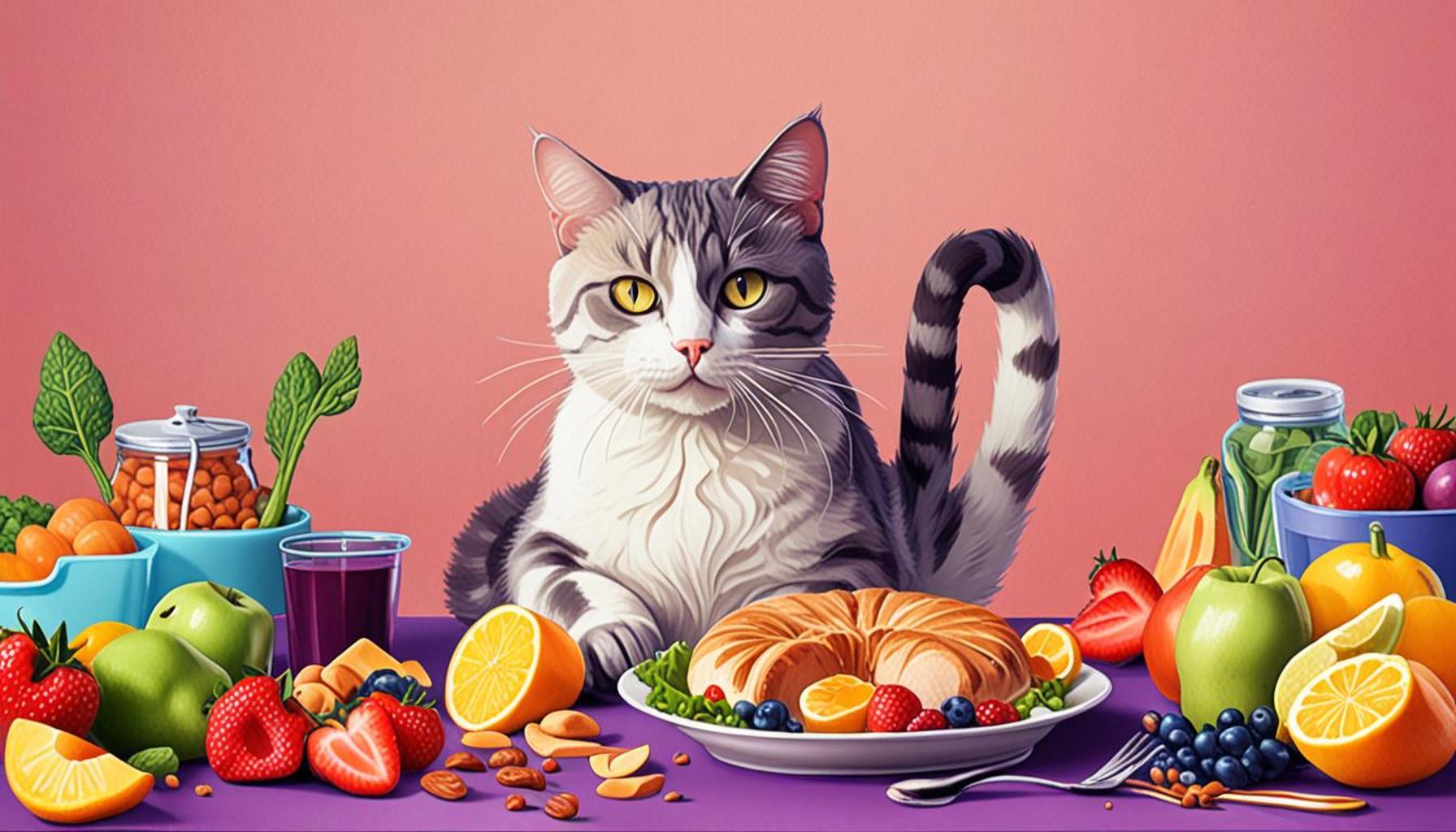
Much like humans, a cat’s emotional well-being can be significantly affected by what they eat. Recent studies have increasingly highlighted the profound link between diet and behavior, suggesting that a cat’s food choices may play a critical role in their mental health. With the increasing awareness surrounding animal wellbeing, it is essential for pet owners to consider the intricate relationship between nutrition and a cat’s emotional state, especially as more studies emerge to support this connection.
Anúncios
Understanding this relationship is essential for pet owners who want to ensure their feline companions thrive. Here are some key points to consider:
- Diet Composition: A cat’s diet is primarily carnivorous, requiring a specific balance of protein, fat, and carbohydrates. High-quality protein sources, such as chicken, turkey, or fish, are crucial for not only muscle development but also energy levels that directly influence their mood. Cats lacking sufficient protein may exhibit lethargy or even aggression, indicating how pivotal diet composition is to their behavior.
- Micro and Macro Nutrients: Essential nutrients such as omega-3 fatty acids, primarily found in fish and flaxseed, are linked to reduced anxiety and aggression in cats. Scientific studies have shown that such nutrients can support brain health and improve mood, suggesting that incorporating these fatty acids into a feline’s diet could promote a calmer demeanor and better overall mental health.
- Food Allergies: Just like humans, some cats may have food sensitivities or allergies that can manifest themselves in behavioral changes. Signs of allergies may include excessive licking, scratching, or even aggression. Understanding these sensitivities and modifying their diet accordingly can contribute significantly to a cat’s emotional stability.
As more pet owners seek to improve their cats’ quality of life, understanding how diet can influence mental health becomes crucial. By providing a diet rich in the right nutrients and free from allergens, pet owners can foster not only physical health but also emotional stability in their feline friends. For instance, a recent report by the Animal Nutrition Association highlighted how a well-balanced diet has led to marked improvements in the behavior of cats previously deemed “difficult.”
Anúncios
This article explores the intricate relationship between what your cat eats and its impact on their behavior. As awareness grows around the importance of feline mental health, it becomes increasingly important to arm yourself with knowledge about dietary choices that can positively affect how your cat feels and behaves, leading to a healthier, happier life for your furry companion.
DIVE DEEPER: Click here to learn more about how human behaviors affect your cat’s emotional well-being
The Impact of Nutrition on Cat Behavior
As cat owners, it’s essential to recognize that a feline’s diet goes beyond mere sustenance; it profoundly influences their behavior and emotional health. Exploring the relationship between diet and behavior in cats unveils critical insights that can transform how we care for our pets. By taking a closer look at specific dietary components, we can better understand how they affect feline moods and behaviors.
The first step in making a meaningful connection between food and behavior is understanding how a cat’s instincts and nutritional needs translate into their everyday lives. Here are several key components that illustrate how diet can influence mental health in cats:
- Protein Sources: Cats are obligate carnivores, meaning their bodies require animal protein to thrive. Diets high in animal proteins contribute to hormonal balance, brain function, and energy levels. Insufficient protein can lead to feelings of lethargy, irritability, or even discontent in cats. For instance, a study conducted by the University of California found that cats consuming a protein-rich diet exhibited less anxiety and improved overall mood, highlighting the importance of protein quality in managing feline behavior.
- Carbohydrate Management: High-carb diets, often found in inexpensive commercial cat food, can contribute to obesity and associated behavioral issues. While cats can digest some carbohydrates, their metabolism is primarily geared towards fats and proteins. Overreliance on carbohydrate-heavy foods may lead to hyperactivity or mood swings. As responsible pet owners, it’s vital to read labels and choose foods that feature quality ingredients, ensuring a healthier diet that aligns with their natural needs.
- Fiber Content: Adequate fiber can improve digestive health, which is closely connected to mood. A diet low in fiber may result in digestive issues, causing discomfort and irritability in cats. Adding fiber-rich ingredients like pumpkin or psyllium husk to their diet can promote a healthy gut and positively affect behavior. Studies show that cats fed fiber-enhanced diets tend to exhibit less aggression and are more relaxed, underlining the link between gastrointestinal health and emotional well-being.
Furthermore, the timing of meals plays a crucial role. Cats thrive on routine; establishing consistent feeding schedules can help create a sense of stability and security. Disruption to their feeding routine may lead to stress, increasing the likelihood of behavioral problems. It’s worth noting that feeding techniques can vary widely among cat owners, but maintaining regular meal times can aid in improving their mental health.
In the quest for understanding how dietary choices impact behavior, pet owners can draw from a wealth of knowledge available in the realm of animal nutrition. Exploring the intricate connections between nutrition and behavior can lead to innovative strategies for enhancing our cats’ emotional health, ensuring they feel comfortable, content, and well-loved in their homes.
| Nutritional Components | Behavioral Impact |
|---|---|
| Omega-3 Fatty Acids | Reduces stress and anxiety, promoting a calmer demeanor. |
| Taurine | Enhances mood regulation, leading to a more sociable behavior in your feline friend. |
| Proteins and Amino Acids | Supports neurotransmitter production, which is vital for emotional stability. |
| Antioxidants | Boosts cognitive function and mitigates mood swings. |
The dynamics between diet and behavior in cats are multifaceted, demonstrating how specific nutritional components can substantially alter a cat’s mental health. For instance, diets rich in omega-3 fatty acids are noted for their ability to reduce stress and anxiety, calming felines and positively affecting their mood. Supplementing visibility with taurine, a crucial amino acid, not only enhances mood regulation but also contributes to sociable behavior, ensuring that your cat has the best chance of forming healthy bonds, both with their environment and with their human companions.Furthermore, a diet high in quality proteins and amino acids can foster effective neurotransmitter production, crucial for maintaining emotional stability. This balance leads to better responses to everyday situations that may ordinarily provoke anxiety. Lastly, incorporating antioxidants can enhance cognitive function, offering an additional layer of protection against mood swings arising from stressors in their lives.Understanding these interactions emphasizes the importance of choosing the right diet for your cat, ultimately paving the way toward improved mental health and a harmonious relationship with their surroundings. As exploring the nuances of dietary impacts become more mainstream, cat owners are encouraged to consider how these elements can play a role in their furry companion’s overall well-being.
DISCOVER MORE: Click here for essential training tips
The Role of Micronutrients in Feline Behavior
While macronutrients like proteins, carbohydrates, and fats are crucial for a cat’s diet, the importance of micronutrients—vitamins and minerals—should not be overlooked when considering the relationship between diet and behavior in cats. These small yet powerful elements significantly impact a cat’s nervous system and overall mental health, possibly altering their behavior and mood.
Key micronutrients such as omega-3 fatty acids, B vitamins, and antioxidants play substantial roles in brain health. For instance:
- Omega-3 Fatty Acids: Found in fish oils and some seeds, omega-3 fatty acids are celebrated for their anti-inflammatory properties and their ability to support cognitive function. Research indicates that cats with diets supplemented with omega-3 showed reduced symptoms of anxiety and depression, rendering them more sociable and playful. Moreover, studies suggest that these fatty acids may reduce aggression and improve overall emotional balance, encouraging a more harmonious interaction with their human companions.
- B Vitamins: Essential for energy production and brain health, B vitamins are vital for a cat’s well-being. Deficiencies in vitamins like B1 (thiamine) and B6 (pyridoxine) have been linked to behavioral changes, including increased anxiety and irritability. Incorporating high-quality cat food that meets their B-vitamin needs contributes to a more stable and balanced mood in felines.
- Antioxidants: Vitamins C and E, along with selenium, can support immune health and combat oxidative stress in the brain, subsequently affecting mood and behavior. Research demonstrates that a diet rich in antioxidants can lead to improved learning capacity and reduced stress responses in cats, fostering a sense of calm and contentment.
Additionally, hydration plays a crucial role in maintaining behavioral health. Cats often are not inclined to drink plenty of water, especially if they consume dry food. Dehydration can lead to irritability, lethargy, and a predisposition to stress-related behaviors. Increasing water intake by offering wet food or hydrolyzed diets can alleviate these symptoms and promote a sense of vitality.
The Link Between Diet and Behavioral Disorders
The relationship between nutrition and behavioral disorders is increasingly being explored within veterinary medicine. A growing body of evidence suggests that certain dietary interventions may alleviate conditions like feline hyperesthesia syndrome, anxiety, and compulsive behaviors. A study published in the Journal of Feline Medicine and Surgery highlighted that feeding cats with behavioral conditions specialized diets rich in omega-3s resulted in noticeable reductions in hyperactive behaviors. Such findings imply that tailoring a cat’s diet could be an effective component of a multifaceted approach to behavioral modification.
Cats are also sensitive to dietary shifts; significant changes in their diet can lead to stress and behavioral issues. Gradually transitioning between food types, especially when incorporating new ingredients, is vital to allow their digestive systems—and therefore their moods—time to adjust. To manage these transitions smoothly, pet owners should monitor their cats for any signs of distress or altered behavior during changes in diet.
In essence, understanding how dietary components affect a cat’s emotional well-being encourages pet owners to make informed decisions about their cats’ nutrition. This not only fosters a healthier, happier cat but also strengthens the bond between pets and their owners through enhanced understanding and care. As more studies emerge, the correlation between a cat’s diet and its behavior offers promising opportunities for innovative pet care practices that enhance the lives of our feline companions.
LEARN MORE: Click here to discover pet enrichment techniques
Conclusion: The Vital Connection Between Diet and Feline Behavior
In conclusion, the intricate relationship between diet and behavior in cats illuminates a critical aspect of feline care that cannot be overlooked. As we have explored, the ∞ influence of nutrition on a cat’s mental health—and how it actively shapes their behavior—demands our attention. Essential nutrients, ranging from macronutrients to micronutrients such as omega-3 fatty acids, B vitamins, and antioxidants, play a pivotal role in maintaining not only physiological health but also emotional balance. Therefore, by addressing dietary needs, pet owners can significantly alleviate behavioral disorders and enhance overall well-being.
Moreover, the notion that well-nourished cats lead to happier, more sociable companions opens up exciting possibilities for areas such as behavioral therapy and stress management. The impact of proper hydration and the careful transition between diets further emphasize how sensitive our feline friends are to their nutritional environment. This understanding encourages owners to prioritize quality over quantity in feline diets.
As research continues to deepen our understanding of the bond between diet and feline mental health, it is crucial for cat guardians to incorporate this knowledge into their practices. By recognizing the potential for diet to influence behavior, we embark on a journey toward elevating the lives of our beloved cats—offering them not just nourishment, but a harmonious and fulfilling existence alongside us. Therefore, let the dietary choices we make for our feline friends not just be a matter of sustenance, but a fundamental building block of their emotional health and happiness.
Related posts:
The influence of socialization on the formation of dog personality: insights on future behaviors
Understanding Aggression in Cats: Behavioral Insights for Harmonious Coexistence
How Behavioral Insights Can Improve Pet Adoption
Behavior-based strategies for training dogs using behavioral science
The effect of early socialization on the development of healthy behaviors in kittens
Understanding Separation Anxiety in Dogs: Behavioral Factors and Coping Strategies

Linda Carter is a writer and pet care expert specializing in pet health, grooming, and wellness. With extensive experience helping pet owners create safe, loving, and enriching environments for their animals, Linda shares her knowledge on our platform. Her goal is to empower readers with practical advice and strategies to ensure their pets thrive and lead joyful, healthy lives.