Trends in Natural and Organic Pet Food: Benefits and Challenges
Anúncios
The Shift Towards Natural and Organic Pet Food
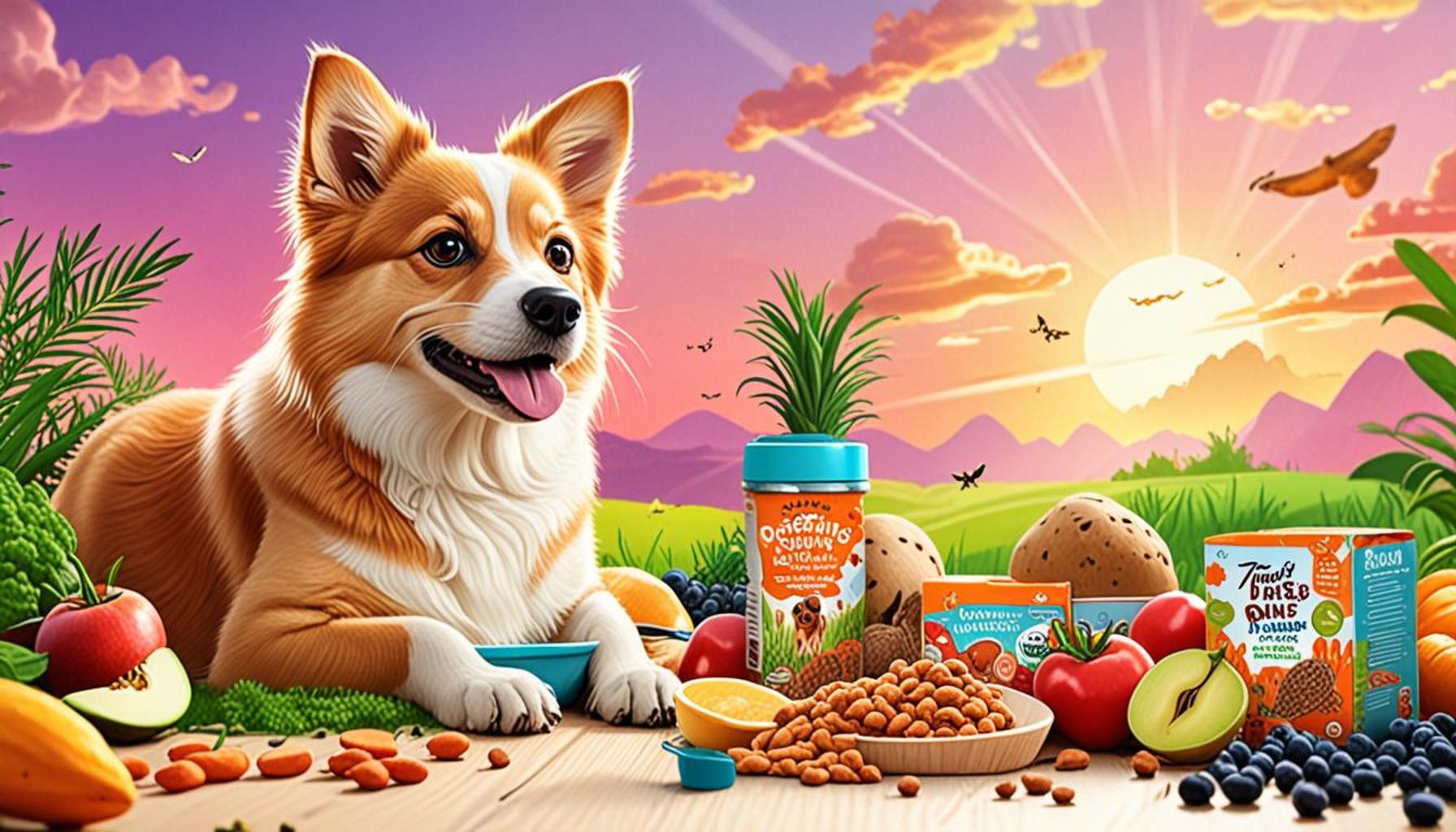
The pet food industry is undergoing a remarkable transformation, heavily influenced by a rising emphasis on natural and organic options. This shift stems from a growing awareness among pet owners about the significant health benefits associated with such diets, fostering lively discussions around their various advantages and potential drawbacks.
Anúncios
Driving Forces Behind the Trend
Several key factors contribute to the demand for natural and organic pet food, reflecting broader societal trends:
- Health Consciousness: Today’s pet owners are more informed than ever about the ingredients in their pets’ food. Many seek out diets that are devoid of artificial additives, preservatives, and fillers. For example, pet owners are often opting for grain-free or high-protein diets, reflecting a shift in the understanding of pets’ nutritional needs. This heightened awareness has led to increased scrutiny of labels, with consumers actively researching the sourcing and quality of ingredients in the foods they choose for their furry companions.
- Sustainability: Environmental concerns are playing a significant role in shaping consumer preferences. Many pet owners are motivated to choose brands that actively promote eco-friendly practices, such as sustainable sourcing, minimal packaging, and carbon-neutral production processes. Reports indicate that brands focusing on sustainability are experiencing faster growth in market share, demonstrating a clear consumer preference for environmentally responsible companies.
- Quality of Life: Many pet owners aim to enhance their pets’ overall well-being and quality of life. They are favoring foods that boast fresh ingredients and high nutritional value. For instance, meals packed with real meat, fruits, and vegetables align more closely with the natural diets of animals, potentially contributing to improved health outcomes. This focus often correlates with a holistic approach to pet care that includes regular veterinary check-ups and preventive healthcare.
Challenges and Considerations
Despite the enthusiasm surrounding natural and organic pet food, the rise of these products brings forth several challenges. First, the cost implications cannot be overlooked; organic pet food typically comes at a premium price point, which may not be accessible for all pet owners. Additionally, there are regulatory hurdles that manufacturers face, such as the need for transparent labeling and strict quality controls to meet increasing consumer expectations. Finally, market saturation poses a challenge, as new brands spring up in response to demand, making it difficult for consumers to discern which products truly adhere to their ideals of natural and organic.
Anúncios
As we continue to observe trends in natural and organic pet food, it will be essential to explore both the benefits that captivate pet owners and the challenges faced by the industry in accommodating these evolving demands. Stay tuned for insights and developments that could reshape your understanding of your pet’s dietary choices and the implications for their health and well-being.
DISCOVER MORE: Click here to learn how behavioral insights can enhance pet adoption
The Benefits of Natural and Organic Pet Food
As more pet owners delve into the world of natural and organic pet food, they often discover a multitude of benefits that can significantly impact their pets’ health and lifestyle. These advantages not only resonate with the emotional connections pet owners feel but also align with a growing understanding of pet nutrition.
Enhanced Nutritional Value
One of the foremost benefits of choosing natural and organic pet food is the enhanced nutritional value. Foods that utilize real, whole ingredients—such as fresh meats, vegetables, and whole grains—tend to be richer in essential nutrients compared to conventional options laden with fillers. According to a study published in the Journal of Animal Science, dogs and cats who consume high-quality diets often exhibit better digestion, a shinier coat, and improved overall vitality. As such, pet owners commonly report positive changes in their pets’ behavior and energy levels when transitioning to higher-quality foods.
Reduction in Allergies and Sensitivities
Another compelling reason for the surge in popularity of natural and organic pet food is the reported decrease in food allergies and sensitivities. Many conventional pet foods include common allergens, like artificial colors, preservatives, and specific fillers that can cause digestive issues or skin conditions in pets. By opting for organic alternatives with limited, recognizable ingredients, pet owners can often alleviate these problems. For instance, brands that feature a single-source protein and are free of grains have been particularly praised for their ability to minimize allergic reactions among sensitive pets.
Positive Impact on Longevity
Beyond immediate health benefits, there is a growing body of evidence suggesting that a diet rich in natural and organic ingredients may be linked to a longer lifespan for pets. Anecdotal accounts from pet owners demonstrate that animals fed high-quality, nutritious food tend to live healthier lives well into their senior years. This potential longevity is especially critical given the average lifespan of pets has been increasing, with dogs now reaching 12 to 15 years, and some breeds living even longer. By investing in their pets’ diet, owners see a tangible return in the form of extended companionship.
Eco-Friendly Choices
In today’s environmentally-conscious society, many pet owners are also drawn to the ecological benefits of natural and organic pet food. Brands that prioritize sustainable sourcing, local ingredients, and eco-friendly packaging resonate strongly with consumers keen on reducing their carbon footprint. This commitment to sustainability not only supports local economies but also fosters a sense of community among pet owners who share similar values. According to the Pet Food Industry Association, nearly 50% of pet owners are willing to switch brands if they find a product that supports environmentally friendly practices.
While the benefits of natural and organic pet food are substantial, it is crucial for pet owners to weigh these advantages against the challenges that accompany such products. As the market continues to evolve, understanding both sides will empower consumers to make informed decisions for their cherished companions.
| Advantages | Description |
|---|---|
| Improved Health and Nutrition | Natural and organic pet foods often contain high-quality ingredients free from harmful additives, promoting better health and vitality in pets. |
| Environmental Sustainability | These foods typically use sustainable practices that are kinder to the environment, reducing the carbon footprint associated with traditional pet food. |
The rising trend in natural and organic pet food reflects a growing awareness among pet owners regarding the ingredients and processes behind their pets’ diets. With an increasing number of consumers turning to these healthier options, transparency in sourcing and production becomes paramount. This not only enhances the quality of the food but also aligns with socially responsible consumer behaviors. In addition to improved pet health and environmental benefits, the ethical treatment of animals involved in the food supply chain is also a significant concern. Many companies now highlight their commitment to cruelty-free practices, appealing to pet owners who seek to make a positive impact through their purchasing decisions. Moreover, as pet owners extensively research food labels, they become more informed about the nutritional components necessary for their pets’ well-being, further fueling the demand for authentic and organic options. This trend signifies a cultural shift towards prioritizing quality and sustainability in pet care, presenting both opportunities and challenges for pet food manufacturers as they strive to meet changing consumer expectations.
LEARN MORE: Click here to discover how pets can enhance your mental well-being
The Challenges of Natural and Organic Pet Food
While the transition towards natural and organic pet food presents numerous benefits, it is equally important to acknowledge the challenges that accompany this burgeoning market. Pet owners eager to make healthier choices for their pets may encounter a variety of obstacles, including cost concerns, availability, and potential mislabeling of products.
Cost Considerations
A significant barrier for many consumers lies in the higher price point associated with natural and organic pet food. Generally, these premium products utilize quality ingredients that are ethically sourced and often undergo more rigorous production processes. As a result, pet owners may find themselves paying significantly more for organic options than for conventional pet food. According to the American Pet Products Association (APPA), nearly 70% of pet owners are aware of the higher costs but continue to weigh the potential long-term health benefits against the immediate financial impact. The dilemma often leaves many budget-conscious consumers unsure if the investment is worthwhile.
Limited Availability
Another challenge that pet owners must navigate is the limited availability of natural and organic options. While major pet food brands are expanding their ranges to include organic products, smaller stores and rural areas often lack sufficient stock or variety. This can be particularly frustrating for pet owners committed to providing their pets with the best diet possible. Furthermore, finding specific dietary requirements—such as grain-free or novel protein sources for hypersensitive pets—can be a daunting task when shopping locally. The disparity in availability can lead to a reliance on online shopping, which, while convenient, may not always offer the freshest options.
Labeling and Regulation Issues
The pet food industry in the United States lacks stringent regulations concerning labeling practices, which can complicate consumers’ efforts to make informed choices. Terms like “natural” and “organic” are not consistently regulated across all brands, leading to ambiguity about what constitutes genuine organic pet food. The Association of American Feed Control Officials (AAFCO) has set guidelines, but interpretations can vary, which raises questions about the actual ingredients and their sourcing. As consumers become increasingly vigilant in their search for trustworthy products, they may find that they need to invest time in researching the brands they consider, thus complicating the purchasing process.
Potential Nutritional Gaps
Despite the general consensus that natural and organic pet foods offer superior nutrition, there are instances where some products may not meet the complete nutritional requirements mandated by veterinary professionals. For example, some pet owners may mistakenly believe that homemade organic meals are always healthier, overlooking the essential vitamins and minerals their pets need. Vijaya Singaram, a veterinary nutritionist, emphasizes the importance of considering formulated diets that ensure completeness and balance, as the lack of proper nutrients can lead to longer-term health issues.
As pet owners navigate these challenges, it becomes increasingly clear that making the switch to natural and organic pet food requires careful planning and informed decision-making. While the benefits can be significant, understanding and overcoming the challenges will ensure healthier and happier lives for pets. This dual perspective fosters an environment where pet owners can find the right balance between quality nutrition and practicality in their purchasing decisions.
LEARN MORE: Click here to discover the benefits of puppy socialization
Conclusion: Navigating the Landscape of Natural and Organic Pet Food
In the evolving realm of natural and organic pet food, pet owners are presented with both enticing benefits and notable challenges. The shift toward healthier options can undoubtedly lead to improved health outcomes and a strengthened bond between pets and their owners. The concept of feeding our beloved companions with wholesome ingredients aligns with a growing societal trend towards sustainability and ethical consumption, emphasizing the importance of quality over quantity.
However, the challenges associated with these products cannot be overlooked. Price considerations, limited product availability, labeling inconsistencies, and potential nutritional gaps all pose significant hurdles for conscientious consumers. As the market grows, regulatory frameworks must adapt to ensure that terms like “natural” and “organic” retain their integrity, safeguarding pets and ensuring that pet owners can make informed decisions without undue burden.
As pet owners pose these questions and engage in responsible shopping habits, a deeper understanding of the landscape of natural and organic options becomes crucial. For those embarking on this journey, the key lies in diligent research, careful product selection, and consultation with veterinary professionals to create a balanced diet suitable for their pets. The commitment to providing our furry friends with healthy food transcends mere trends; it encompasses a holistic approach to pet care that champions wellness and longevity.
In conclusion, while the path to integrating natural and organic pet food into your pet’s diet may be fraught with challenges, it also opens the door to innovation and informed choices that will ultimately impact the wellbeing of our pets for years to come. As consumers and advocates for responsible pet care, we have the opportunity to not only enhance our pets’ lives but also contribute positively to a more sustainable food system.
Related posts:
The Impact of Hypoallergenic Diet on Pet Health
The Importance of Hydration in Pet Nutrition
Nutrition and the Prevention of Obesity in Pets
Effects of Nutrition on the Longevity of Pets
The Influence of Diet on the Skin and Coat of Dogs and Cats
The Importance of Essential Nutrients in the Diet of Dogs and Cats

Linda Carter is a writer and pet care expert specializing in pet health, grooming, and wellness. With extensive experience helping pet owners create safe, loving, and enriching environments for their animals, Linda shares her knowledge on our platform. Her goal is to empower readers with practical advice and strategies to ensure their pets thrive and lead joyful, healthy lives.