Animal-Assisted Therapy Enhancing Physical Emotional Health Benefits

Anúncios
In recent years, the intersection of animals and healthcare has gained significant attention, revealing the profound impact pets can have on human well-being. Many studies have shown that Animal-Assisted Therapy (AAT) can enhance emotional and physical health, providing therapeutic benefits that traditional methods may not always offer. As our understanding of the human-animal bond deepens, the potential applications of AAT are becoming more recognized across various sectors.
Not only do these therapies involve a range of animals, from dogs and cats to horses and even dolphins, but the outcomes are increasingly encouraging for those dealing with stress, anxiety, and physical rehabilitation. Here are some key points to consider:
Anúncios
- Reduces stress and anxiety: Interacting with animals has been shown to lower cortisol levels.
- Enhances recovery: Patients in rehabilitation often show quicker progress when therapy animals are involved.
- Improves social interaction: AAT can help those with social anxiety or physical disabilities to engage more with others.
As we delve deeper, we will explore the Top 5 benefits of Animal-Assisted Therapy, shedding light on the powerful role pets play in promoting holistic health. Prepare to discover the remarkable ways these furry companions can transform lives.
Top 5 Animal-Assisted Therapies: Benefits for Physical and Emotional Health
Animal-assisted therapy (AAT) represents an exciting frontier in therapeutic solutions, marrying the simplicity and affection of animals with the intricacies of human healing. Rooted in the profound and ancient bond between humans and animals, these therapies leverage this connection to enhance well-being both physically and emotionally. Through its growing validation by medical and psychological professionals, AAT is emerging as a transformative tool in modern wellness strategies. This article delves into the top five benefits of animal-assisted therapies, unearthing the profound impacts these therapies harbor and inviting more widespread exploration of their potential.
Anúncios
5. Promotes Physical Activity
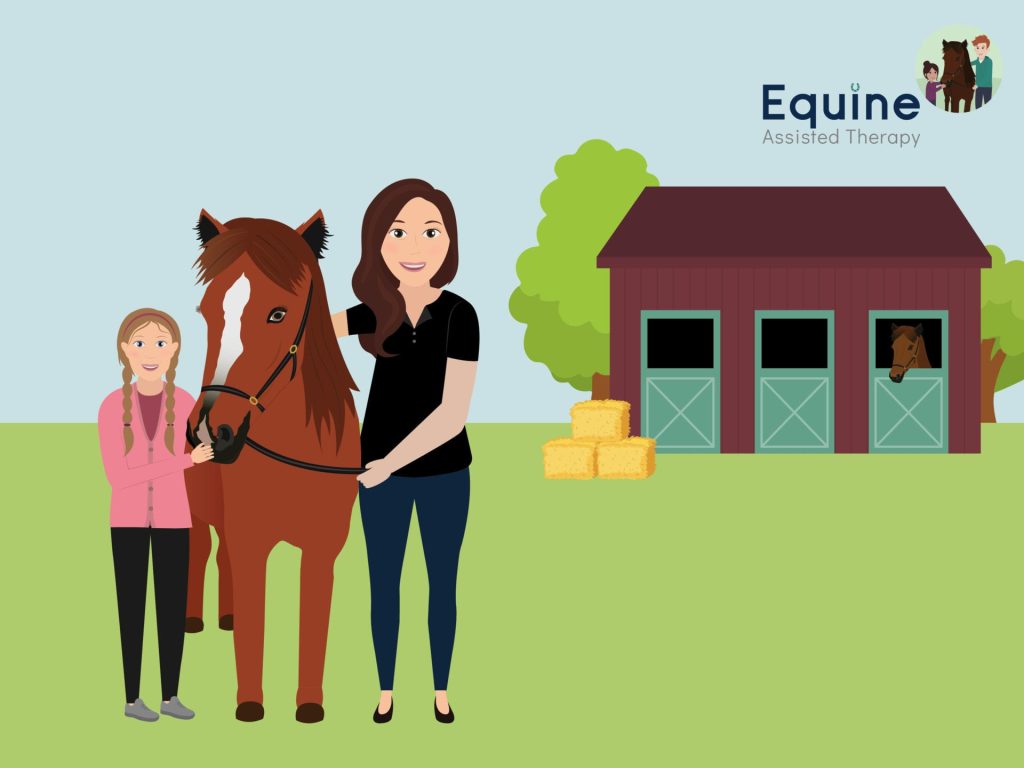
One of the delightful advantages of animal-assisted therapy is its ability to enhance physical activity effortlessly. Particularly for individuals recovering from injuries or undergoing physical rehabilitation, animals can become valuable allies in regaining mobility and strength. Activities like walking a therapy dog in a lush park or engaging in play sessions with a pet can assist patients in multiple ways:
- Increase mobility: Regular walks with dogs can aid in maintaining joint flexibility and muscle strength.
- Improve balance: Activities that involve managing an animal’s unpredictable movements can enhance postural control.
- Enhance coordination: Repeated actions, such as throwing a ball, facilitate improved motor skills.
- Boost cardiovascular health: Even light physical activities with animals can improve heart health and circulation.
These interactions transform rehabilitation from a daunting task to an enjoyable companionship with a furry friend, increasing patient dedication to their healing process. The consistency and joy found in these activities weave seamlessly into the routine, making therapeutic exercises less of a chore and more of a rewarding experience.
4. Reduces Anxiety and Stress
The therapeutic presence of animals is an age-old antidote to the stresses of the human condition. Various studies corroborate that interactions with therapy animals significantly reduce anxiety and stress levels across demographics. The soothing aura of a gentle creature provides a comforting environment that starkly contrasts the sterile, often intimidating, atmosphere of clinical settings.
Animal-assisted therapy helps mitigate stress by influencing our body’s chemistry — reducing cortisol levels, which are directly tied to stress, while simultaneously increasing serotonin and dopamine, neurotransmitters associated with happiness and calmness. For those wrestling with conditions like anxiety disorders or PTSD, the impressive impact of therapy animals lies in their ability to offer a form of non-verbal emotional support, establishing a sanctuary of tranquility and security where verbal expression might fail.
3. Enhances Social Interaction
Animals are universally appealing companions, often serving as social bridges between people. This aspect of animal-assisted therapy is particularly valuable for groups such as children with autism or elderly individuals experiencing social isolation. Animals provide an encouraging, non-judgmental platform that can coax even the most withdrawn individuals into the realm of social interaction.
Engagement with animals often leads to increased openness to human interaction, resulting in:
- Improved interpersonal skills: Regular interaction with both animals and people can sharpen social skills and elevate self-esteem.
- Enhanced cooperative play: Group activities centered around animals foster teamwork and shared purpose.
- More effective communication: The presence of an animal often eases communication, especially for those hesitant to verbally express themselves.
- Reduction in feelings of loneliness: A constant animal presence can alleviate solitude, offering companionship and understanding.
By bridging gaps and fostering connections, animal-assisted therapy can catalyze profound social transformation and nurture a sense of belonging and community.
2. Supports Emotional Healing
At its essence, animal-assisted therapy is distinctly powerful in its ability to aid emotional healing. For individuals grappling with chronic illnesses or mental health issues such as depression or grief, therapy animals offer an invaluable source of solace and stability. These animals, gifted with the ability to understand and reciprocate human emotions, provide unconditional love, creating a nurturing environment that facilitates recovery.
Through silent companionship, therapy animals help individuals process their experiences, build trust, and explore emotions. This bond, free from judgment and expectation, can lead to significant breakthroughs in therapy, helping individuals confront and express emotions that might otherwise remain unexplored or suppressed.
1. Holistic Health Benefits
The pinnacle of animal-assisted therapy’s benefits is its profound holistic impact on health. This therapeutic approach does not focus exclusively on the physical or the emotional; rather, it weaves these strands together to foster a comprehensive improvement in quality of life. Among the documented benefits are:
- Boost immune function: Regular interaction with animals has been shown to increase resilience against illnesses.
- Enhance pain management: The presence of animals can sometimes lessen the perception of pain through distraction and emotional comfort.
- Promote faster recovery from illness or surgery: The stress reduction and physical activity encouraged by animal interaction can accelerate healing processes.
- Increase overall life satisfaction: The sense of purpose and joy animals bring can significantly enhance mental well-being and life contentment.
Through addressing the complete spectrum of health aspects, animal-assisted therapies can guide patients toward a more holistic recovery. The intertwined nature of these benefits often leads participants to experience not only physical rejuvenation but also a rejuvenation of spirit and outlook towards life, making animal-assisted therapies indispensable in comprehensive treatment plans.
In conclusion, animal-assisted therapies serve as a pioneering avenue in therapeutic practice, opening doors to remarkable healing experiences for both physical and emotional health. From encouraging physical activity to providing a sanctuary of emotional healing, and offering holistic health improvements, the bond between humans and animals is a conduit for change. For those seeking enhanced wellness, exploring the diverse potential of animal-assisted therapies could be a step toward transformative health outcomes.
| Category | Description |
|---|---|
| Emotional Support | Animal-assisted therapies can provide companion therapy, helping individuals suffering from anxiety, depression, or PTSD. The presence of animals can lead to a significant reduction in stress levels and the emotional burden faced by patients. |
| Physical Rehabilitation | Interacting with animals encourages patients to engage in active rehabilitation. This can include mobility exercises or physical activities supervised by therapists, helping to restore physical function post-injury or illness. |
| Social Interaction | Therapies with animals often facilitate social skills development. Patients can improve interaction and communication skills through shared experiences with both the therapy animals and other participants. |
| Stress Reduction | Engaging with animals has been scientifically shown to help lower cortisol levels and increase serotonin and dopamine production, essential markers of well-being and relaxation. |
Frequently Asked Questions about Animal-Assisted Therapies
What are animal-assisted therapies?
Animal-assisted therapies involve the use of animals in therapeutic settings to improve patients’ physical, emotional, and mental well-being. These therapies typically involve animals such as dogs, horses, and cats and are utilized in various healthcare environments such as hospitals, rehabilitation centers, and mental health clinics. They are designed to complement traditional therapies and are led by trained professionals.
How do animal-assisted therapies benefit physical health?
Animal-assisted therapies can lead to numerous physical health benefits. Interacting with animals has been shown to help lower blood pressure, reduce heart rate, and release endorphins, which are natural painkillers. Moreover, these interactions encourage physical activity, whether it is through walking a dog or grooming a horse, which can help improve mobility, coordination, and overall physical fitness.
Can animal-assisted therapies help with emotional and mental health issues?
Yes, animal-assisted therapies have proven beneficial for emotional and mental health. They provide patients with a sense of companionship and reduce feelings of loneliness and depression. The presence of an animal can also decrease anxiety levels and promote relaxation. Furthermore, these therapies have been effective in supporting those with post-traumatic stress disorder (PTSD) and autism, helping to enhance social interactions and communication skills.
Are there any risks associated with animal-assisted therapies?
While animal-assisted therapies are generally safe, some risks exist, such as allergies, infections, or injuries from animal interactions. It’s essential that therapeutic animals are well-trained and certified, and that sessions are conducted by qualified professionals to minimize these risks. Moreover, matching the right animal to the patient’s needs is crucial for ensuring a safe and effective therapeutic experience.
Who can benefit from animal-assisted therapies?
Animal-assisted therapies can benefit a wide range of individuals, including children and adults with physical disabilities, mental health disorders, autism spectrum disorders, and the elderly experiencing cognitive decline. They provide a holistic approach that addresses not only the physical aspects but also the emotional and psychological needs of the patient, making them suitable for diverse patient groups seeking comprehensive care.
Conclusion: Exploring the Impact of Animal-Assisted Therapies
Animal-assisted therapies have emerged as a significant tool in enhancing both physical and emotional well-being. As we have explored in this article, these interventions bring numerous advantages, leveraging the unique bond between humans and animals to foster healing and support.
The top benefits highlighted include improved physical health marked by increased mobility and reduced pain levels, alongside emotional and psychological gains such as elevated mood and reduced anxiety. Animal-assisted therapies also contribute positively to social interactions, providing patients with comfort and promoting a sense of purpose. Moreover, children and the elderly particularly benefit from these therapies, enjoying enhanced communication skills and better cognitive function.
Notably, animals like dogs, horses, and even smaller pets are instrumental in achieving these outcomes. They offer a non-judgmental and supportive presence, encouraging patients to engage with their surroundings and therapists more actively.
Why Animal-Assisted Therapies Matter
The growing body of research emphasizing the advantages of such therapies reflects their importance in both clinical and home settings. As healthcare providers increasingly recognize the multifaceted benefits, therapists and practitioners have opportunities to integrate these interventions into more personalized treatment plans.
In conclusion, animal-assisted therapies stand out as a potent complementary treatment with a profound capacity to improve physical health and emotional well-being. As awareness and acceptance grow, these therapies promise to transform the landscape of healthcare, offering new hope and healing to individuals worldwide. Further research and exploration into this fascinating field could open doors to novel therapeutic approaches, ultimately benefiting both patients and their animal counterparts.
Related posts:
How Adopting a Pet Can Transform the Physical and Mental Health of Elderly People
The Importance of Preventive Care and Regular Check-ups for Pet Health and its Impact on Owner Well-...
Mindfulness with Pets: Techniques to Enhance the Well-Being of Both
How Interaction with Pets Can Improve Sleep and the Quality of Rest for Owners
Yoga with Pets: Wellness Practices that Strengthen the Bond Between You and Your Animal
The Benefits of Regular Walks with Pets for the Cardiovascular Health of Owners

Linda Carter is a writer and pet care expert specializing in pet health, grooming, and wellness. With extensive experience helping pet owners create safe, loving, and enriching environments for their animals, Linda shares her knowledge on our platform. Her goal is to empower readers with practical advice and strategies to ensure their pets thrive and lead joyful, healthy lives.