
The influence of the environment on the behavior formation of pets: insights from environmental psychology
The article delves into how environmental factors shape pet behavior, highlighting insights from environmental psychology. It emphasizes the importance of creating enriching, supportive spaces to enhance pets' emotional well-being and behavioral patterns, ultimately fostering stronger human-animal bonds and improving overall quality of life for pets.

How to Choose the Ideal Food for Different Breeds and Ages of Pets
Choosing the right food for pets involves understanding their unique nutritional needs based on breed, age, and activity level. Tailored diets enhance health and well-being, ensuring pets thrive. Consult with veterinarians for optimal nutrition strategies and ingredient quality to support your companion's lifelong health journey.

Trends in Natural and Organic Pet Food: Benefits and Challenges
The pet food industry is witnessing a surge in demand for natural and organic options, driven by health consciousness, sustainability, and quality of life. However, challenges like high costs, limited availability, and labeling inconsistencies remain. Understanding these dynamics is crucial for informed pet nutrition choices.
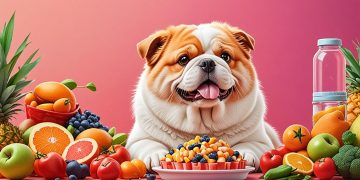
Nutrition and the Prevention of Obesity in Pets
Pet obesity is a growing concern, with nearly 60% of dogs and 56% of cats overweight. Proper nutrition, including balanced diets, portion control, and hydration, is crucial for preventing obesity. Regular exercise and veterinary advice further enhance pets' health, ensuring a longer, healthier life for our furry companions.
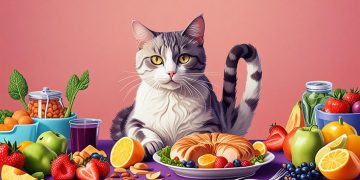
The relationship between diet and behavior in cats: how diet can influence mental health
The emotional well-being of cats is profoundly influenced by their diet. Quality nutrition, including essential proteins, omega-3 fatty acids, and micronutrients, can enhance feline mental health, reduce anxiety, and improve behavior. Understanding this relationship empowers pet owners to make informed dietary choices that promote happier, healthier cats.

The effect of early socialization on the development of healthy behaviors in kittens
Early socialization in kittens is crucial for developing healthy behaviors and well-adjusted adult cats. Engaging them during the critical socialization window reduces aggression, lowers stress, and prevents behavioral problems. Positive interactions with humans and other pets foster confidence and emotional stability, enhancing the human-animal bond throughout their lives.

How Behavioral Science Can Improve Pet Adoption
Behavioral science enhances pet adoption by improving shelter environments, utilizing targeted marketing, and understanding decision-making. Strategies like engaging storytelling and simplified choices foster emotional connections, making pets more appealing. By embracing these insights, shelters can significantly increase adoption rates and ensure lasting bonds between pets and families.
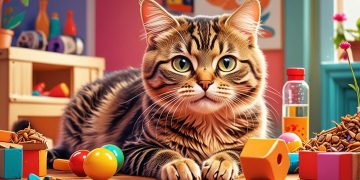
The role of play in the social development of cats: insights on behavior and interaction
Play significantly influences the social development of cats, enhancing their hunting skills, fostering social interaction, and building confidence. Engaging in play allows cats to bond with peers and humans, promotes emotional resilience, and facilitates communication, all essential for their behavioral growth and well-being.

Understanding Aggression in Cats: Behavioral Insights for Harmonious Coexistence
Understanding feline aggression is essential for harmonious coexistence with your cat. By recognizing triggers and types of aggressive behaviors, such as fear-based, play, and territorial aggression, owners can create a peaceful environment. Implementing positive reinforcement and observing body language fosters trust, enhancing the bond between pets and their owners.

The impact of positive training on building desirable behaviors in dogs
Positive training methods significantly enhance dog behavior through reward-based techniques, fostering trust and deeper bonds between pets and their owners. This approach not only improves obedience but also reduces anxiety, boosts social skills, and promotes emotional intelligence, ultimately leading to a happier, well-adjusted canine companion.