How Adopting a Pet Can Transform the Physical and Mental Health of Elderly People
Anúncios
Transformational Benefits of Pet Adoption for Seniors
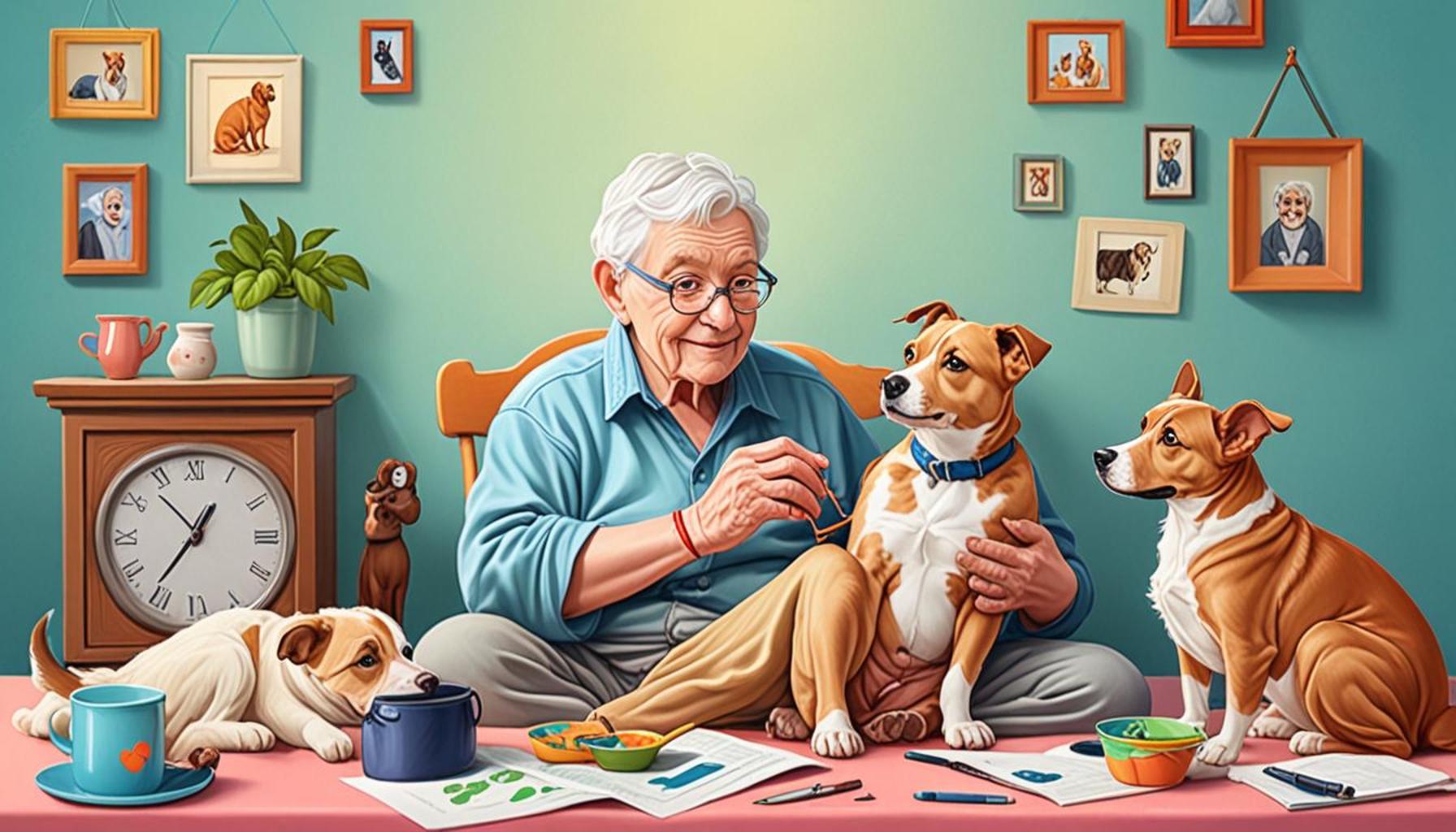
Imagine the joy that a wagging tail or a gentle purr can bring into the lives of elderly people. Adopting a pet can lead to remarkable changes in both physical and mental health for seniors, creating bonds that enhance their daily lives. This companionship not only fills homes with love and warmth but can also significantly improve the quality of life for seniors.
Anúncios
Studies show that pet ownership can lead to various health improvements. For instance, increased physical activity is a notable benefit. Taking a dog for a walk, even for short distances, encourages seniors to be more active, which can combat sedentary lifestyles. This increase in activity is crucial, especially considering that regular exercise can help manage health issues like heart disease and obesity, common concerns among older adults.
Another significant benefit is the improved mental well-being associated with pet ownership. Interaction with pets reduces feelings of loneliness and depression. For many seniors living alone, a pet can provide the companionship needed to alleviate feelings of isolation. For example, simply petting a cat or watching a dog play can trigger the release of oxytocin, a hormone associated with bonding and positive feelings, which can lead to an overall uplift in mood.
Anúncios
Additionally, having a furry friend can lead to lowered stress levels. Pets have a natural ability to soothe their owners, often resulting in decreased cortisol levels—often dubbed the “stress hormone.” A 2020 study found that seniors who owned pets reported feeling less stressed and more capable of coping with life’s challenges. The simple act of grooming a dog or cuddling with a cat can be a comforting, therapeutic activity.
The emotional connection formed through pet adoption can be life-changing. Seniors report feeling more purposeful and connected to their communities as they care for their furry friends. This sense of responsibility often leads to increased social interaction, as walking a dog can spark conversations with neighbors or fellow pet owners, fostering a sense of belonging.
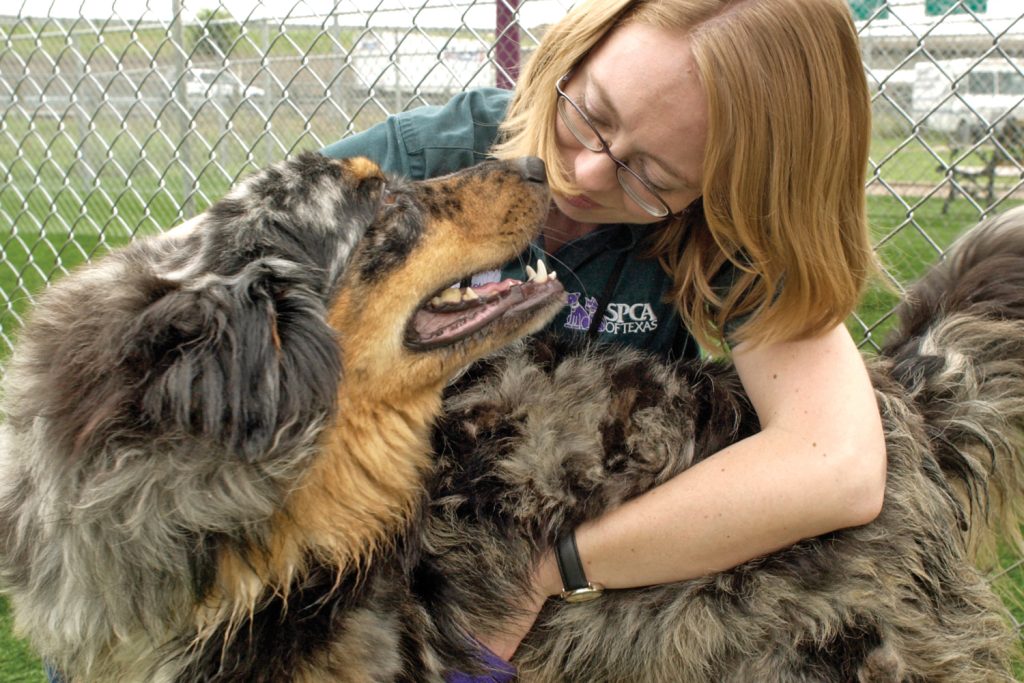
As we delve deeper into this topic, it’s important to note that the benefits of pet adoption extend beyond companionship. Whether it’s a playful dog providing unmatched loyalty or a serene cat that brings calming energy, the right companion can truly make a world of difference. Moreover, local shelters often have programs that help seniors with adoption processes, making it easier for them to find the perfect match. Organizations such as PAWS (Pets Are Wonderful Support) and the Humane Society offer resources to help seniors navigate this life-enhancing decision.
In conclusion, pet adoption is not just about giving an animal a home; it’s about enriching the lives of seniors, fostering joy, and creating lasting bonds that significantly improve their well-being. Those considering adopting a pet can find solace in knowing they are embarking on a journey filled with mutual love and support, ultimately transforming their lives for the better.
DISCOVER MORE: Click here to learn about the best food for your pet
Enhancing Physical Health Through Active Engagement
One of the most profound ways that adopting a pet transforms the physical health of elderly individuals is through an increase in everyday activity levels. Pet ownership necessitates movement—whether it’s taking dogs for their daily walks, playing with a curious cat, or simply engaging in pet care routines. This fundamental change can lead to significant health benefits, particularly for seniors who may be grappling with the limitations of aging or chronic conditions like arthritis or mobility issues.
Engaging with pets fosters a more active lifestyle. Here are some notable ways pet adoption encourages physical activity:
- Daily Walks: Dog owners typically commit to multiple walks each day. This consistent moderate exercise can improve cardiovascular health, strengthen bones, and enhance endurance.
- Increased Social Interaction: Walking a dog often creates opportunities for socialization with neighbors or other dog owners, leading to more outdoor activity than one might experience alone.
- Routine Establishment: Owning a pet necessitates structure. Seniors who adopt pets often find themselves adhering to routines, which can improve overall physical well-being by promoting more consistent daily activities.
- Skilled Tasks: Caring for pets involves various physical tasks such as grooming, lifting food bowls, or cleaning up after them, which collectively contribute to maintaining mobility and strength.
Moreover, the presence of a pet can encourage older adults to engage in hobbies or activities they may have long neglected. For instance, gardening can be a delightful activity for those with dogs; spending time outdoors allows seniors to enjoy fresh air while tending to nature—effectively merging physical movement with mental rejuvenation.
Boosting Mental Health with Unconditional Love
The mental health benefits of pet adoption are equally transformative. As many elderly people face challenges such as loneliness or depression, pets serve as unparalleled companions. The emotional support that pets provide can fill voids that many seniors experience, creating an atmosphere of companionship and understanding.
Research suggests that seniors who own pets report higher levels of happiness and lower levels of depression. Here’s how pets contribute to enhanced mental health:
- Companionship: Pets offer unconditional love and companionship, which can be a crucial antidote to feelings of isolation.
- Stress Relief: The act of petting or cuddling with an animal has proven stress-relieving effects. Studies have shown that interactions with pets can lower blood pressure and heart rates, leading to a calming effect.
- Therapeutic Benefits: Animals have been found to help reduce symptoms of anxiety among seniors. The mere presence of a pet can create a sense of comfort and security.
- Routine and Responsibility: Caring for a pet gives seniors a sense of purpose. This responsibility can lead to a more stable emotional state, as maintaining a routine is essential for mental health.
As we explore further, it becomes increasingly clear that the profound bond formed through pet adoption holds the potential to alter not just the physical landscape of a senior’s life, but their mental and emotional well-being as well. With every wag of a tail or gentle purr, seniors can experience a remarkable transformation, reinforcing the idea that a pet is not just an animal but a key to a healthier, happier life.
| Category | Benefits of Pet Adoption |
|---|---|
| Physical Activity | Regular walks and playtime with pets can significantly increase physical activity levels among elderly individuals, leading to improved cardiovascular health. |
| Emotional Support | The companionship of a pet provides emotional stability, reducing feelings of loneliness and anxiety, which is crucial for mental well-being. |
| Social Interaction | Pets can act as social catalysts, encouraging interactions with others during walks or at pet-related activities, ultimately fostering community connections. |
| Routine and Responsibility | Caring for a pet establishes a daily routine, promoting a sense of purpose and responsibility that can boost self-esteem and cognitive function. |
The decision to adopt a pet can lead to a wonderful transformation in the lives of elderly individuals. While the above categories highlight some essential advantages, the impact goes beyond mere companionship. Studies indicate that seniors who have pets tend to encounter fewer doctor visits, attributing this phenomenon to the enhanced physical activity that pets encourage. Moreover, engaging with pets often prompts seniors to express emotions, enabling them to cope better with crises or stress.Adopting an animal does not simply provide companionship; it also improves the quality of life through increased joy and resilience. From adopting dogs to bringing home cats or even birds, the psychological benefits are profound. In fact, animal-assisted therapy has gained traction as a viable option for mental health care, emphasizing the importance of pet adoption in therapeutic settings.Fostering an enriching relationship with a pet can elevate both physical and mental health for the elderly. As communities recognize this link, further exploration into local shelters and pet adoption services becomes crucial. By understanding these benefits, families and caregivers can better support their loved ones on their journey to emotional and physical well-being through pet companionship.
DISCOVER MORE: Click here to learn about the benefits of animal-assisted therapy
Building Connections: The Social Impact of Pet Adoption
Beyond the tangible benefits to physical and mental health, adopting a pet fosters significant social interactions that are crucial for elderly individuals. The social landscape can change dramatically for seniors who welcome pets into their homes. Pets serve as social catalysts, encouraging new friendships and connections that may have otherwise been absent from their lives.
Consider how the presence of a pet can create avenues for socialization:
- Community Involvement: Pets frequently draw attention in public spaces. Dog parks, pet grooming shops, and pet-friendly community events provide excellent opportunities for seniors to meet fellow pet owners and establish friendships.
- Shared Interests: Having a pet often results in shared interests, providing common ground for conversations and fostering community spirit among pet lovers of different ages.
- Volunteering Opportunities: Many animal shelters encourage individuals and families to volunteer by fostering pets. This involvement not only creates meaningful connections but also introduces a sense of purpose and satisfaction in contributing to the welfare of animals.
Being part of a pet-related community can significantly reduce feelings of seclusion and foster a sense of belonging. Additionally, elderly individuals who have pets often engage with assistance animals like therapy dogs, which can enhance social experiences in settings such as senior centers or nursing homes. The mere presence of a friendly dog can break the ice during conversations and lift the spirits of everyone involved.
The Health benefits of Laughing with Pets
Another compelling aspect of pet ownership is the laughter and joy that pets inherently bring. The whimsical antics of a playful puppy or the quirky behaviors of a cat can prompt genuine laughter, which is, as studies suggest, vital to enhancing mental health. Laughter triggers the release of endorphins, the body’s natural feel-good chemicals, contributing to a sense of well-being.
Moreover, incorporating pets into the lives of elderly people can encourage feelings of stability and control—essential components for those dealing with age-related changes. For seniors, nurturing a pet can create a sense of responsibility and accomplishment, which can be incredibly empowering in the face of losing independence in other areas of life. Here are a few fascinating outcomes observed:
- Shared Joy: Observational studies show that older adults with pets often engage in playful activities that bring joy not only to them but also to those around them, creating a harmonious atmosphere.
- Improved Cognitive Function: Caring for a pet can stimulate mental engagement. Pet ownership requires seniors to think critically about animal care and behavior, potentially enhancing cognitive functioning.
- Enhanced Daily Routines: Interactions with pets create opportunities for rituals—such as feeding, grooming, or walking—that serve as anchors for daily routines, instilling a sense of normalcy and predictability.
In summary, the multi-faceted relationship between elderly individuals and pets helps dissolve barriers to social interaction while promoting enhanced emotional and cognitive health. This connection holds the power to reshape lives, providing companionship, laughter, and purpose, thereby enriching the daily experiences of seniors, fostering resilience amidst the challenges that aging can present.
DON’T MISS OUT: Click here to learn about effective puppy socialization
Conclusion: The Profound Impact of Pet Adoption on Seniors
In conclusion, the journey of adopting a pet is one that offers multifaceted benefits to elderly individuals, reshaping their physical and mental health in ways that extend far beyond mere companionship. As highlighted throughout this article, pets not only provide unconditional love and joy but also encourage essential social connections and enhance overall well-being.
Moreover, the daily routines inspired by pet care foster a sense of purpose and responsibility, essential for maintaining autonomy as one ages. The simple act of nurturing a pet can transform an elderly person’s life, breathing new energy into their daily activities, and promoting better physical health through increased mobility and exercise. Importantly, the emotional significance of pet ownership—ranging from the comfort of a furry friend during difficult times to the laughter evoked by their antics—serves as a powerful antidote to loneliness and depression, common issues faced by seniors.
As we increasingly recognize the profound impact pets have on our lives, it is essential for families, caregivers, and communities to support initiatives that promote pet adoption among the elderly. Programs that facilitate pet ownership for seniors not only address health needs but also pave the way for enriching social interactions, ultimately diminishing feelings of isolation.
Adopting a pet is not merely an act of kindness toward animals; it is a mutual journey of healing and happiness. By embracing the benefits of pet adoption, elderly individuals can reclaim their joy, redefine their daily experiences, and enjoy a healthier, more vibrant life.
Related posts:
The Importance of Animal-Assisted Therapy in Mental Health
How Pets Boost Owners Mental Health and Well-Being A Deep Dive
The Importance of Animal Companionship for Mental Health: How Pets Help Reduce Stress
Healthy Nutrition for Pets: Tips to Keep Your Pet Fit and Healthy
Exercises and Health: Physical Activities You Can Do with Your Pet to Improve the Well-Being of Both
The Benefits of Regular Walks with Pets for the Cardiovascular Health of Owners

Linda Carter is a writer and pet care expert specializing in pet health, grooming, and wellness. With extensive experience helping pet owners create safe, loving, and enriching environments for their animals, Linda shares her knowledge on our platform. Her goal is to empower readers with practical advice and strategies to ensure their pets thrive and lead joyful, healthy lives.