Positive Reinforcement Cat Training Transforming Feline Behavior
Anúncios
Unlocking the Secrets of Feline Training
Understanding feline behavior can often feel like deciphering a secret code. Unlike dogs, cats have unique personalities and training needs that require a specific approach. Enter positive reinforcement, a technique proven to effectively transform challenging behaviors while strengthening the bond between you and your furry friend.
Anúncios
The Importance of Positive Reinforcement
Many pet owners may be frustrated by common cat behaviors such as scratching furniture or ignoring commands. Implementing positive reinforcement methods not only helps correct these actions but also promotes a healthy learning environment. Research shows that cats respond more positively to rewards rather than punishment, making this approach both humane and effective.
Get Ready for Top Insights
In this article, we will explore the Top 5 strategies for using positive reinforcement in cat training. From simple treats to enriching games, these techniques can dramatically enhance your cat’s behavior. Prepare to discover new ways to engage with your feline companion and unlock their full potential!
Anúncios
Top 5 Positive Reinforcement Strategies for Training Cats: Transforming Feline Behavior
Training our feline companions can often feel like a daunting task. However, utilizing positive reinforcement strategies can transform your cat’s behavior and strengthen your bond. In this article, we will explore the top 5 methods to effectively train your cat while making the process enjoyable for both of you. Let’s dive into these strategies, ranked from 5 to 1!
5. Creating an Engaging Environment
The foundation of effective training begins with providing a stimulating environment. Cats are naturally curious creatures, and an engaging environment encourages positive behavior. To create this space, incorporate a variety of toys, scratching posts, and climbing structures. Regularly rotate these items to maintain novelty and excitement for your cat.
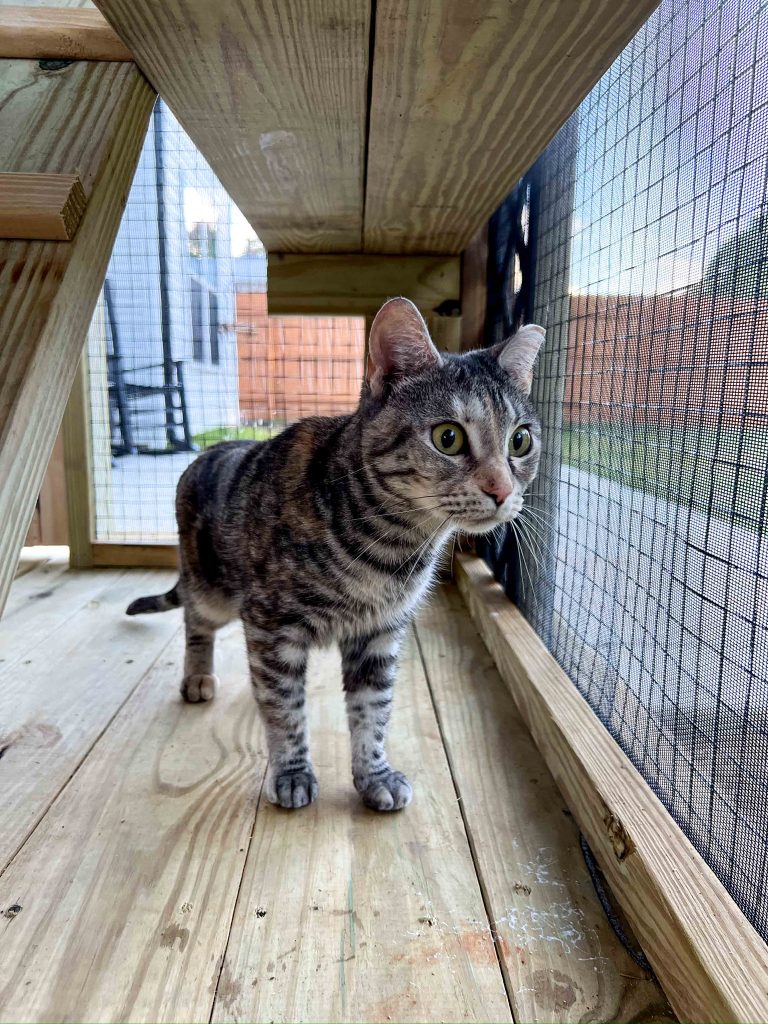
Consider the power of cat trees, which add vertical space to your home—essential for climbing and viewing vantage points that cats instinctively crave. Incorporate hiding places, which cater to a cat’s natural need to withdraw and reflect. The key here is to remember that an unstimulating environment may lead to boredom and unwanted behaviors, such as scratching furniture or excessive vocalization.
Beyond physical toys, include mental challenges through puzzle toys that dispense treats upon interaction. Engage your cat with feather wands and interactive play to support both mental and physical activity. A well-stimulated cat is more likely to respond positively during training sessions.
4. Using Treats Wisely
Food rewards are a powerful tool in the world of positive reinforcement. Treats can accelerate the training process when used correctly and thoughtfully. The first step is to identify your cat’s favorite treats, whether they be commercial options, freeze-dried meats, or even small bits of cooked chicken.
Timing is everything in reward-based training. Ensure you reward your cat immediately after a desired behavior occurs. This helps your feline associate the action with the positive outcome. For instance, if you’re teaching your cat to touch a target with its nose, deliver the treat just as the nose makes contact.
Keep in mind that moderation is key; too many treats can lead to weight gain. Instead, break larger treats into smaller pieces. You might also incorporate healthier options like catnip or low-calorie kibble to ensure nutritional balance while still rewarding desired behaviors.
3. Clicker Training
Clicker training is an effective method derived from behaviorist principles. A clicker is a small device that makes a distinct sound when pressed, marking a specific behavior that you want to reinforce. Initially, pair the sound of the clicker with treats; this establishes a connection in your cat’s mind between the click and a reward.
Once your cat has associated the click with a positive outcome, progress from simply click-and-treat sessions to using the clicker to reinforce specific behaviors you desire, such as sitting on command or coming when called. This method capitalizes on your cat’s natural instincts, making them eager to learn. Clicker training fosters a sense of achievement and builds confidence in your cat.
Some pet owners might wonder whether their cat is suited for clicker training. Generally, any cat can learn through this method with patience and perseverance. It can be especially beneficial for fostering problem-solving skills and decision-making in your pet, turning everyday interactions into chances for mental workout.
2. Consistency and Patience
Training a cat requires consistency and patience. Unlike dogs, cats are often less motivated by praise; therefore, it is crucial to establish a clear routine that your cat can anticipate and rely on. Schedule a consistent time each day for training, ideally when your cat is alert and attentive, such as before meal times.
Use the same commands and cues consistently to reinforce behaviors you want to encourage, as this reduces confusion. For example, when teaching your cat to jump, use a specific command like “jump” and consistently reward this behavior with a treat or click. Remember that patience is essential; cats may take longer to learn some tasks compared to other pets, so persistence pays off. Avoid showing frustration, as this can break trust and set back progress.
Additionally, be mindful of your own demeanor during training sessions. Cats are perceptive and can pick up on emotional cues from humans. A calm and positive attitude will reassure your cat and keep sessions productive.
1. Fostering a Positive Human-Cat Relationship
At the pinnacle of effective cat training lies the relationship between you and your feline companion. A strong bond based on trust and mutual respect is vital for successful training. Spend quality time with your cat outside of training sessions; engage in play, petting, and simply being present.
Creating a warm and loving atmosphere will make your cat more receptive to learning. Understanding your cat’s body language and respecting its boundaries will go a long way in building that positive relationship, ultimately leading to a well-trained feline. Remember that each cat has its own unique personality and pace of learning, so tailor your approach accordingly.
Consider the benefits of spending quiet time with your cat, using activities such as reading or watching television together. This shared time can act as a foundation for trust, showing your cat that you are a reliable and comforting presence. This method not only teaches your cat desired behaviors but also enriches your overall experience with your beloved pet.
In summary, using positive reinforcement strategies can transform your cat’s behavior into one that is more aligned with your expectations. Incorporate an engaging environment, reward wisely with treats, utilize clicker training, maintain consistency and patience, and foster a positive relationship for the best results. These methods not only benefit your cat’s learning but also deepen the bond you share, making every moment together an opportunity for growth and companionship.
| Category | Key Features |
|---|---|
| Understanding Feline Behavior | Cats communicate through body language and vocalizations. Knowing their signals aids in shaping desired behaviors while using positive reinforcement strategies. |
| Immediate Rewards | Offering immediate rewards such as treats, praises, or playtime reinforces chosen behaviors right away, helping cats associate actions with positive outcomes quickly. |
| Creating a Stimulating Environment | Incorporating toys, climbing structures, and interactive play not only encourages natural behaviors but also makes training sessions engaging and fun for felines. |
| Consistency is Key | Being consistent with commands and rewards helps cats learn and understand what is expected, reducing confusion and enhancing their training experience. |
The use of positive reinforcement strategies has transformed how cat owners train and relate to their pets. Understanding feline behavior is crucial. Cats are unique creatures with inherent instincts; thus, grasping their communication styles greatly aids in establishing trust. For instance, when a cat responds to a desired behavior, noting their subtle cues becomes essential. Rewards, such as their favorite treats or a moment of play, effectively communicate approval and encourage the continuation of that behavior.Immediate rewards are vital in creating a successful training environment. When a cat performs a desirable action, timely reinforcement ensures they connect the dots. Often, treats are a powerful motivator, but it’s also crucial to tailor the reward to the individual cat. Some may respond better to affection or interactive play, highlighting the necessity of knowing your pet.Moreover, creating a stimulating environment can significantly influence training sessions. Cats thrive amid engaging surroundings filled with climbing opportunities, scratching posts, and interactive toys. This environment not only nurtures natural behaviors but also aids in the learning process. It keeps the cats focused and motivated, enhancing the experience for both the pet and the owner.Lastly, consistency cannot be overstated. Establishing a routine during training helps cats understand what is expected of them. Providing the same cues and rewards each time adapts their understanding while fostering a secure bond between owner and cat. This structured approach diminishes confusion, allowing felines to learn more effectively.
Frequently Asked Questions about Positive Reinforcement Strategies for Training Cats
What is positive reinforcement in cat training, and how does it work?
Positive reinforcement is a training method that involves rewarding a cat when it exhibits desirable behavior, thereby increasing the likelihood of that behavior being repeated. Common rewards include treats, verbal praise, or playtime. The key is to provide the reward immediately after the desired action, so the cat associates the reward with the specific behavior. This technique leverages a cat’s natural curiosity and desire for interaction to encourage learning.
Can all cats be trained using positive reinforcement strategies?
Yes, all cats can be trained using positive reinforcement strategies, although individual temperaments and personalities can affect how quickly a cat responds to training. While some cats may readily engage and learn new behaviors swiftly, others might require more patience and customization in training methods. It’s essential to keep training sessions short and enjoyable to maintain the cat’s interest and comfort levels.
What are the common mistakes to avoid in positive reinforcement cat training?
A common mistake is to inadvertently reward the wrong behavior. To be effective, rewards should be given immediately after the desired behavior. Delays can confuse the cat and strengthen unintended actions. Another mistake is being inconsistent with the training routine, which can impede progress. It’s important to maintain a regular schedule and consistent cues to strengthen learning.
How can owners keep their cats engaged in the training process?
Maintaining a cat’s engagement in training involves ensuring sessions are brief and varied. Utilize a variety of stimuli such as different toys, treats, and verbal cues to maintain interest. It’s also beneficial to focus on the cat’s favorite activities and motivations. Experimenting with different rewards can help identify what drives the cat most, ensuring a positive and effective training experience.
Are there any benefits to using positive reinforcement beyond behavior correction?
Beyond modifying unwanted behaviors, positive reinforcement strengthens the bond between the cat and its owner. It enhances communication and understanding, leading to a more enriching and harmonious relationship. Additionally, training can boost a cat’s confidence and reduce anxiety, contributing to overall psychological well-being. By transforming training into a playful interaction, both cat and owner enjoy a rewarding experience.
Conclusion
The exploration of positive reinforcement strategies for training cats offers a transformative approach to modifying feline behavior. Unlike traditional training methods, which may rely on aversion techniques, positive reinforcement is centered on encouraging desired behaviors by rewarding them, making it a more humane and effective approach.
Throughout the article, we delved into the fundamental principles of this technique, emphasizing that consistency, patience, and timing are key components. Understanding a cat’s individual preferences is crucial, as rewards such as treats, affection, or playtime must appeal to their unique motivations.
Key Takeaways
- Cats respond better to rewards than to punishment, making positive reinforcement a more effective training strategy.
- Identifying each cat’s favorite treat or activity is essential for successful training sessions.
- Consistency in the application of rewards fortifies learning and helps brands desirable behaviors in a cat’s everyday routine.
- Patience is crucial, as every cat learns at its own pace, and small, incremental successes should be celebrated.
- The approach enhances the bond between pet and owner as it builds trust and understanding.
Ultimately, positive reinforcement is not just about training cats; it is about understanding and communicating with them in a way that strengthens the human-feline relationship. This method highlights the importance of compassion and intelligence in pet training, encouraging owners to look beyond the immediate challenges of raising a feline and towards a future where mutual respect and affection flourish.
As pet owners seek more effective and empathetic ways to train their cats, further studies and sharing of successful strategies can help broaden our understanding. With careful application, these techniques can transform the way we interact with our feline companions, leading to more harmonious living environments for both cats and their human families.
Related posts:
Creating a Consistent Training Routine for Your Pet
Socialization Strategies for Fearful or Shy Pets
Creating a Training Schedule: Balancing Consistency and Flexibility for Your Pet
Training Your Pet for Specific Activities: From Hiking to Swimming
Effective Techniques for House Training Your Puppy
Using Games as a Tool for Training and Bonding with Your Pet

Linda Carter is a writer and pet care expert specializing in pet health, grooming, and wellness. With extensive experience helping pet owners create safe, loving, and enriching environments for their animals, Linda shares her knowledge on our platform. Her goal is to empower readers with practical advice and strategies to ensure their pets thrive and lead joyful, healthy lives.