The Importance of Hydration in Pet Nutrition
Anúncios
The Importance of Hydration in Pet Health
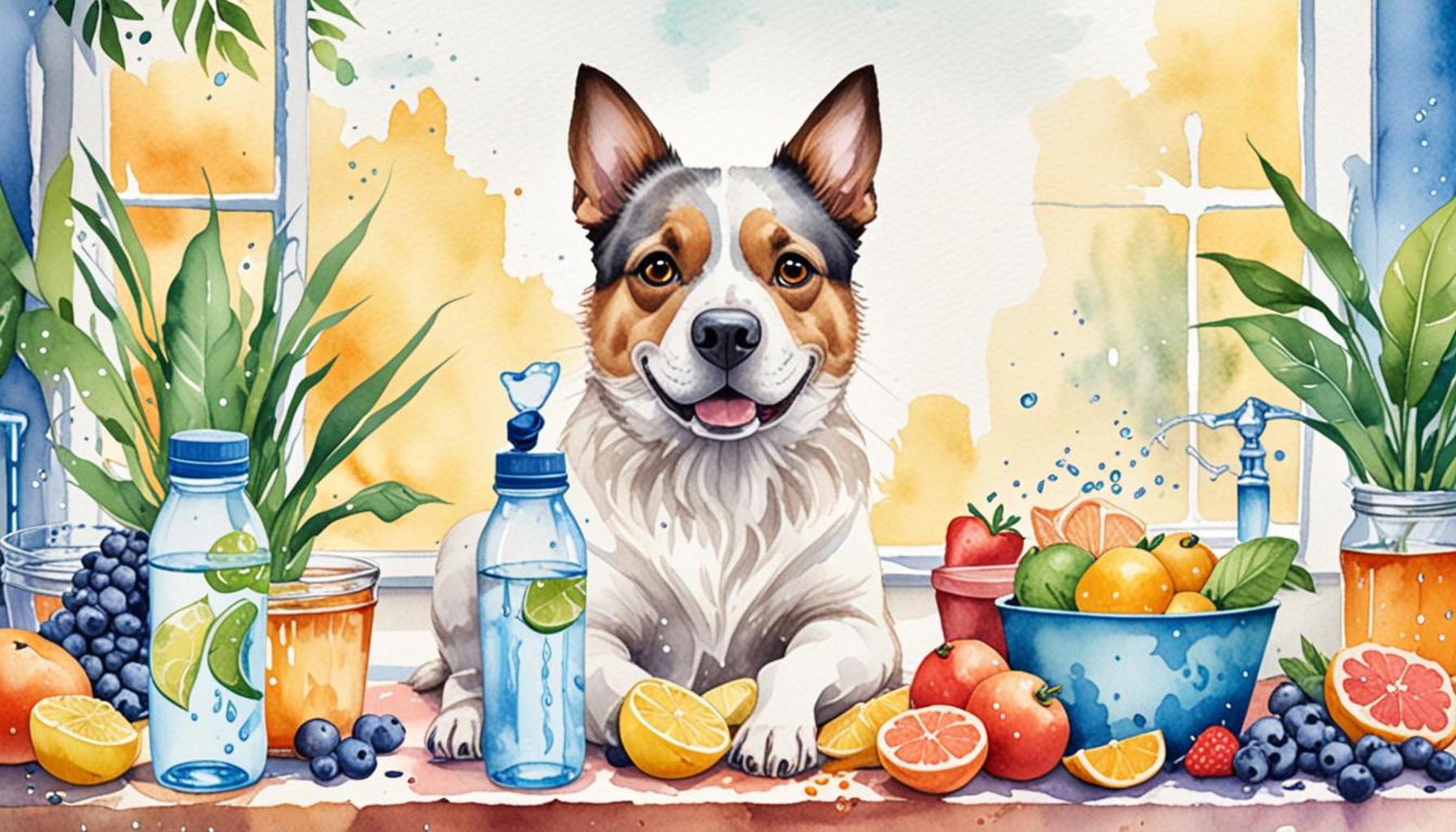
When discussing pet health and wellness, one key element often falls to the wayside: hydration. Just as humans need water to stay healthy, our pets rely on proper hydration to function optimally. Water plays an indispensable role in numerous bodily processes, underscoring the necessity of understanding hydration within the broader spectrum of pet nutrition.
Anúncios
Proper hydration provides several essential benefits for pets, including:
- Supports Digestion: Water is critical in facilitating digestion and nutrient absorption. When pets are well-hydrated, their bodies can break down food more efficiently, which in turn helps prevent digestive issues such as constipation or an upset stomach. For instance, a dog that drinks plenty of water is likely to have smoother digestion and better stool consistency.
- Regulates Body Temperature: Hydration is vital for thermoregulation, especially during high temperatures or intense exercise. Pets, like dogs, can’t cool down as effectively as humans through sweating. Instead, they rely on panting and staying hydrated to keep their body temperature stable. A well-hydrated dog is less likely to suffer from heat exhaustion or heat stroke.
- Promotes Healthy Skin and Coat: Water intake has a direct impact on the quality of a pet’s skin and coat. Adequate hydration leads to a shiny, smooth coat and can help mitigate skin conditions like dryness or irritation. Pets drinking enough water tend to have fewer issues with shedding and skin allergies.
Despite the myriad benefits of proper hydration, many pets do not drink enough water daily. Several factors, including diet, activity level, and surrounding environment, significantly influence their hydration needs. For instance, a cat on a dry kibble diet may need to drink significantly more water compared to a cat on a wet food regimen, which contains a higher moisture content.
Anúncios
So how can pet owners ensure their furry friends stay properly hydrated? Providing fresh, clean water at all times is crucial. Additionally, incorporating wet food into their diet or even adding water or broth to dry food can encourage increased fluid intake. Pet water fountains, which continuously circulate water, can also attract pets who might otherwise ignore a stagnant bowl. Regularly monitoring your pet’s drinking habits can help identify any potential issues early on.
Ultimately, understanding and prioritizing hydration in your pet’s daily life can lead to significant enhancements in their overall health and well-being. By taking small steps to encourage proper hydration, pet owners are investing in longer, healthier lives for their beloved companions.
DISCOVER MORE: Click here to learn how your actions affect your cat’s emotional well-being
Why Hydration is Crucial for Your Pet’s Well-Being
Understanding the importance of hydration in pet nutrition is essential for any pet owner dedicated to maintaining their animal’s health. Much like humans, pets lose water through various processes such as urination, respiration, and even through their skin, which necessitates a consistent intake of fluids to replenish what is lost. Dehydration can lead to serious health issues, such as kidney problems, urinary infections, and even a decline in mental alertness. As responsible pet guardians, it’s critical to recognize the signs of dehydration, which can include dry gums, lethargy, and a lack of skin elasticity.
It is imperative to consider several key factors that influence a pet’s hydration needs:
- Dietary Choices: The type of food your pet consumes has a significant impact on their hydration levels. Foods high in moisture, such as wet or canned food, provide added fluid, while dry kibble requires pets to drink more water to stay hydrated. For example, some pet owners may find their cats prefer wet food as it not only enhances hydration but also tends to be more palatable.
- Activity Level: An active pet will require more water. Dogs that engage in regular exercise or outdoor play will experience higher fluid loss through panting and sweat from their paw pads. Accordingly, ensuring they have easy access to clean water during and after physical activities is crucial.
- Environmental Factors: Seasonal changes can affect how much water your pet needs. Pets exposed to heat or humidity require more fluids to aid thermoregulation. Conversely, dry indoor heating during winter months can also make pets more susceptible to dehydration, necessitating increased water availability.
Fortunately, there are several strategies pet owners can employ to encourage greater water consumption among their furry friends. One effective method is to place multiple water bowls throughout the home, ensuring that water is always accessible. Additionally, pets can be enticed by the use of flavored water options or low-sodium broth, which can make drinking more appealing. Monitoring your pet’s weight and behavior can also help detect hydration levels; a sudden change may indicate the need for increased fluid intake.
Finally, investing in a pet water fountain can make a substantial difference. Many pets are naturally attracted to flowing water, as it appears fresher and safer than still water. By observing your pet’s drinking habits, you can tailor their hydration methods, ensuring they receive the vital fluids necessary for a healthy and happy life.
| Key Factors | Impacts on Pet Health |
|---|---|
| Water Requirements | A pet’s daily water intake must match their physical activity, size, and overall health. |
| Hydration and Digestion | Adequate hydration helps facilitate nutrient absorption and prevents gastrointestinal issues. |
| Thirst Mechanism | Pets may not drink enough due to environmental factors or health issues; monitoring is vital. |
| Signs of Dehydration | Symptoms such as lethargy, dry gums, and loss of skin elasticity indicate hydration issues. |
Understanding the importance of hydration in pet nutrition is essential for pet owners. Water plays a critical role in various bodily functions, from regulating temperature to assisting with nutrient absorption. It’s also crucial in supporting joints and overall cellular function. Regular monitoring of a pet’s hydration status ensures that dehydration does not lead to serious health complications. Providing fresh, clean water at all times, along with incorporating moisture-rich foods, can significantly improve a pet’s health and vitality. By focusing on the hydration needs of pets, owners can greatly influence their companions’ well-being, leading to happier and healthier lives.
DISCOVER MORE: Click here to find out how pets can enhance your health
Promoting Optimal Hydration Practices for Your Pets
Beyond the basic understanding of the significance of hydration, pet owners must adopt proactive measures to ensure that their animals remain sufficiently hydrated at all times. A fundamental step in this process is to be aware of the recommended daily water intake for various pets, as it can vary significantly based on factors such as size, age, and species. For instance, a general guideline suggests that pets should drink approximately one ounce of water per pound of body weight daily. However, this estimate can fluctuate, especially for active dogs or those living in hotter climates.
To elevate the importance of hydration in pet nutrition, it’s essential to recognize the role hydration plays in various physiological functions:
- Temperature Regulation: Hydration is crucial for helping pets maintain body temperature. During hot weather or intense exercise, water helps dogs and cats regulate their body heat through perspiration and panting, which in turn helps prevent heat stress.
- Joint Health: Proper hydration supports joint lubrication, which is vital for active pets as it allows for smooth movement. Adequate water intake can help mitigate joint pain and reduce the risk of conditions such as arthritis, particularly in older dogs.
- Nutrient Absorption: Water plays an integral role in nutrient absorption and digestion. A well-hydrated pet can better break down food, leading to improved health and vitality, while dehydration can hinder these vital processes.
Moreover, pet owners should stay vigilant about their pets’ hydration habits. Regularly checking their water bowls for cleanliness and refilling them may seem trivial, but it’s a necessary practice for promoting hydration. Many pets are reluctant to drink from dirty bowls, which can lead to decreased fluid intake. Therefore, maintaining fresh, clean water is paramount.
Another practical strategy is to incorporate water-rich foods into your pet’s diet. Certain fruits and vegetables, like watermelon or cucumbers, can complement a pet’s regular meals and enhance hydration. However, it is essential to consult with a veterinarian before introducing new food items to ensure they are safe and beneficial for your pet’s dietary needs.
Additionally, pet hydration can be supported through specially formulated pet foods containing higher moisture content. Some brands have started producing high-quality, moisture-rich options for both cats and dogs, catering to the ongoing research that highlights the role of hydration in overall health. These diets can serve dual purposes, providing essential nutrients while significantly increasing the water intake of your pets.
As pet technology evolves, so does our ability to monitor hydration levels. Various smart pet bowls and water bottles now offer features like tracking how much your pet drinks over time. Such devices can provide invaluable insights for pet owners, allowing them to make informed decisions about their pet’s hydration needs based on real-time data.
Ultimately, as a pet owner, fostering a culture around hydration not only supports better health outcomes but also enhances your pet’s overall quality of life. Being attentive to hydration demonstrates a commitment to the well-being of your furry companions while is fundamental to their longevity and happiness.
DISCOVER MORE: Click here to learn about transforming your cat’s behavior
Bringing It All Together: The Vital Role of Hydration in Pet Nutrition
In summary, hydration is an essential pillar of pet nutrition that often goes overlooked. It is clear that providing adequate water not only supports fundamental physiological functions in pets—such as temperature regulation, joint health, and nutrient absorption—but also plays a significant role in fostering longevity and vitality. As conscientious pet owners, our responsibility extends beyond merely placing a bowl of water in front of our furry friends; it involves a proactive approach to ensuring they have constant access to clean, fresh water and understanding their unique hydration needs.
Additionally, the integration of hydration-rich foods, specially formulated pet diets, and advanced monitoring technologies can empower pet owners to make informed decisions about their pets’ hydration requirements. A commitment to these practices can transform hydration from a mere afterthought into a pivotal aspect of your pet’s overall wellness.
Ultimately, recognizing and prioritizing hydration is not just about meeting instinctual needs—it’s about enhancing the quality of life for our pets. By taking the time to understand the importance of hydration in pet nutrition, pet owners can forge a deeper bond with their companions and contribute to their happiness and health for years to come. With the right knowledge and dedication, we can ensure that our beloved pets lead fuller, vibrant lives.
Related posts:
Effects of Nutrition on the Longevity of Pets
Considerations on Vegan Nutrition for Dogs and Cats: Pros and Cons
Specific Diets for Pets with Chronic Health Conditions
The importance of essential nutrients in the diet of dogs and cats
Why a Balanced Diet is Essential for Your Pets Health
The Relationship between Nutrition and Behavior in Dogs and Cats

Linda Carter is a writer and pet care expert specializing in pet health, grooming, and wellness. With extensive experience helping pet owners create safe, loving, and enriching environments for their animals, Linda shares her knowledge on our platform. Her goal is to empower readers with practical advice and strategies to ensure their pets thrive and lead joyful, healthy lives.