The Importance of Socializing Pets for Psychological and Physical Well-Being

Anúncios
Understanding Pet Socialization
Socializing pets is a fundamental aspect of responsible pet ownership, contributing significantly to their psychological and physical well-being. The benefits of socialization extend beyond mere playtime, impacting a pet’s behavior and health in profound ways. In a world where pets are cherished members of our families, prioritizing their social interactions is essential for nurturing happy, well-adjusted companions.
Anúncios
Why is Socialization Essential?
Animals thrive on interaction and stimulation from both humans and other pets. Let’s dive deeper into why socialization is crucial for your furry friends:
- Reduces Anxiety: Socialized pets experience less fear and stress in new situations. For instance, a dog that has been exposed to different environments, people, and animals is less likely to react aggressively or timidly when encountering unfamiliar scenarios, such as a bustling park or a crowded vet clinic.
- Improves Behavior: Regular social interaction can lessen aggression and encourage positive habits. A well-socialized dog is more likely to exhibit good manners, like sitting politely for treats or walking calmly on a leash. In contrast, pets that lack socialization may exhibit behavioral issues such as excessive barking or jumping.
- Enhances Bonding: Pet owners build stronger relationships through shared experiences. Engaging in activities like group obedience classes, dog parks, or pet-friendly events allows for deeper connection and understanding between pet and owner.
What are the Benefits?
The positive impacts of socialization can manifest in various ways, benefiting both pets and their owners:
Anúncios
- Physical Activity: Engaging with other pets encourages exercise and play. For example, a game of fetch with a fellow dog not only helps to burn off excess energy but also helps maintain a healthy weight and promotes physical fitness.
- Mental Stimulation: New encounters challenge pets cognitively, keeping their minds sharp. Activities like exploring new walking trails or visiting pet-friendly cafes can stimulate curiosity and provide crucial mental exercise.
- Better Adaptability: Socialized pets are more adaptable to changes in environment. Whether you’re moving to a new home, taking a long car ride, or introducing a new family member, a well-socialized pet can adjust with greater ease and confidence.
In a society where pets are increasingly viewed as family members, ensuring their well-being through socialization is imperative. With numerous resources available—from local pet clubs to online training courses—owners have the opportunity to educate themselves and their pets. Understanding the intrinsic value of these interactions can lead to healthier, happier pets, ultimately fostering a rewarding relationship that enhances the lives of both pets and their owners alike.
DISCOVER MORE: Click here to learn how behavioral insights can enhance pet adoption
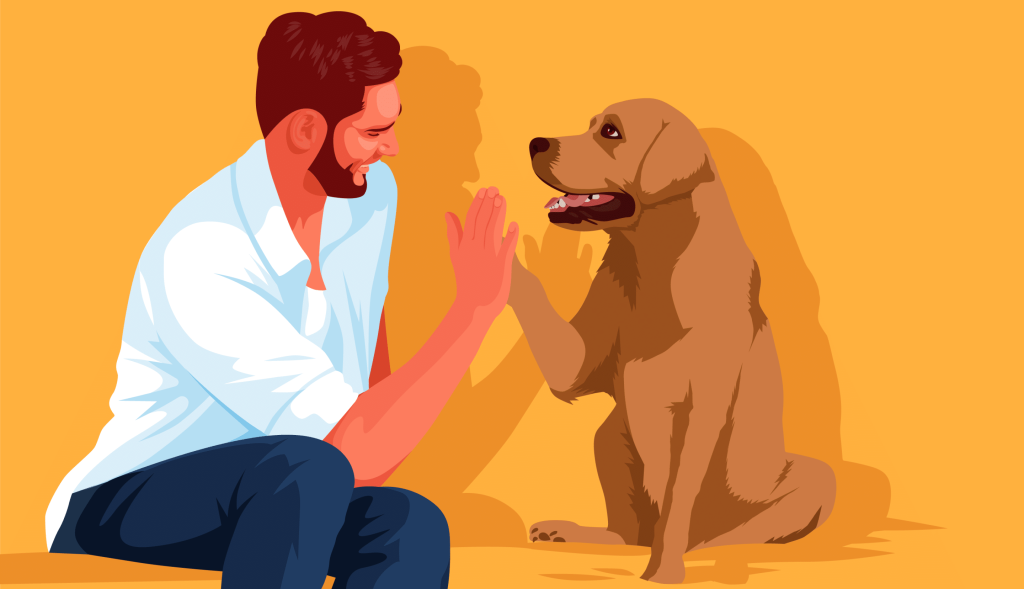
Fostering Healthy Relationships Through Socialization
Socializing pets involves much more than merely allowing them to frolic with other animals; it is a vital practice that significantly influences their overall health and happiness. This multifaceted engagement is crucial for developing a balanced life for both pets and their human companions. Through social experiences, we can create well-rounded animals capable of navigating the complexities of both human and animal interactions.
Psychological Benefits of Socialization
Engaging in social interactions is fundamental for a pet’s mental health, impacting their emotional stability and behavioral patterns in several critical ways. Each interaction offers a unique opportunity for growth and adaptation, fostering skills that are indispensable for a pet’s social life. Below are notable psychological benefits that underscore the necessity of socialization:
- Confidence Building: Exposing pets to diverse environments and stimuli helps them gain resilience. For instance, a puppy attending a dog park for the first time gains confidence through positive interactions with other animals and people. Conversely, a lack of exposure can lead to fear-based reactions, resulting in unwanted aggression.
- Reduced Loneliness: Pets, especially dogs, thrive on companionship. Regular interactions with fellow animals can alleviate boredom and loneliness. In fact, an isolated dog might display behavioral issues such as excessive barking or destructive tendencies, which can be mitigated through social playdates or group training sessions.
- Improved Temperament: Pets engaged in continuous socialization often reflect balanced behaviors. Their increased adaptability lowers the likelihood of anxiety-driven actions, such as chewing on furniture or digging up the yard, directly contributing to a calmer household environment.
Physical Health Through Activity
The manifestation of physical fitness is another critical component enhanced through socialization. Engaging with other animals usually involves physical activities—be it running, playing fetch, or engaging in tag—which are not only fun but essential for maintaining a pet’s health. The long-term benefits of these activities are profound:
- Weight Management: Regular play together—like a spirited game of chase at the dog park—keeps pets active and helps combat obesity-related issues, which are particularly prevalent in breeds prone to weight gain, such as Labradors and Bulldogs.
- Stronger Muscles and Joints: The varied movement and exercise gained from play contribute to keeping muscles toned and joints flexible, crucial for older pets at risk of arthritis. Engaging in different types of play builds the muscle groups necessary for their everyday activities.
- Enhanced Vitality: A pet that regularly participates in physical activities usually exhibits higher energy levels. This increased vitality not only enriches their life but also facilitates a closer bond with their owners through shared activities, like hiking or agility training.
It is clear that the importance of socialization extends far beyond mere interaction; it lays a solid foundation for a pet’s emotional and physical well-being. As responsible pet owners, facilitating these noteworthy social engagements is paramount for ensuring our furry companions lead fulfilling lives. By prioritizing socialization, we equip our pets not only with robust physical health but also with the emotional resilience needed to face the world—ready to greet new experiences with a wagging tail or an inquisitive purr. Whether through puppy classes, dog parks, or playdates, investing time in socialization reaps significant rewards for both pets and their families.
| Aspect of Socialization | Benefits |
|---|---|
| Social Interaction | Promotes emotional well-being by reducing feelings of anxiety and depression in pets. |
| Physical Activity | Encourages regular exercise, leading to improved physical health and weight management. |
| Development of Communication Skills | Enhances the ability of pets to communicate and connect with their owners, leading to stronger bonding experiences. |
| Exposure to Different Environments | Builds adaptability and reduces fear of new situations, contributing to a well-rounded and confident pet. |
Engaging in socialization activities is crucial for enhancing your pet’s quality of life. Socializing pets not only serves to boost their psychological health, but also significantly contributes to their physical fitness. Regular interactions with other animals and humans can foster a sense of security and belonging. Activities like group training sessions or playdates at a local park are excellent ways to discover both the benefits and joys of socialization. Interestingly, research has shown that socialized pets tend to exhibit fewer behavioral issues, making them less likely to develop problems such as anxiety or aggression. Exploring further into these aspects can assist pet owners in understanding how to better cater to the psychological and physical needs of their furry companions.
DISCOVER MORE: Click here for an in-depth comparison
Strengthening Bonds Through Socialization
Beyond the individual benefits of social interaction for pets, socialization plays a crucial role in strengthening the bonds between pets and their human caretakers. When pets engage in social activities, not only do they interact with other animals and people, but they also foster deeper connections with their owners. Here are some significant aspects illustrating this connection:
The Role of Shared Experiences
Shared experiences during socialization create lasting memories that enhance the bond between pets and their owners. Whether it’s participating in dog obedience classes or visiting a pet-friendly café, these outings present an opportunity for pet owners to witness their pets’ reactions and growth in social situations. This engagement can lead to:
- Increased Trust: Regular exposure to various environments helps pets trust their owners more. For example, a dog that feels secure at a dog park might look to its owner for guidance and reassurance, thus deepening their relationship.
- Improved Communication: Socialization teaches pets to read and react to body language, both from their peers and their human friends. This understanding facilitates better communication, making training more effective as pets learn commands and cues by interpreting their owner’s signals.
- Mutual Enjoyment: Engaging in socialization provides joy to the pet owner as well. Watching their pet develop friendships and confidence can be a heartwarming experience, reinforcing the notion that they are part of a supportive family structure.
Impact on Community and Social Skills
Socialization doesn’t just benefit individual pets; it also extends to community engagement. Socialized pets contribute positively to community dynamics, thereby enhancing overall social interplay. Here are additional factors to consider:
- Social Awareness: A well-socialized pet exhibits better manners in public spaces, such as on leashes or during park visits. This awareness reduces the chances of confrontations with other animals or people, promoting a culture of respect and harmony in shared environments.
- Community Involvement: Pets that are well-socialized are often more welcomed in community events, foster connections, and encourage others to engage with animals responsibly. Pets trained for therapy, for instance, exemplify this connection, bringing calm and joy to various community members, including those in hospitals or nursing homes.
- Promoting Responsible Pet Ownership: When pets are socialized and integrated into community activities, they exemplify the benefits of responsible pet ownership. This can inspire others to prioritize socialization for their own pets, fostering a ripple effect that influences overall pet care standards in the community.
Long-term Impacts of Lack of Socialization
It is equally important to recognize the challenges faced by pets that lack adequate socialization. Dogs and other animals deprived of social interactions can experience a range of issues:
- Behavioral Problems: Isolated pets are prone to develop behavioral issues such as excessive barking, anxiety, and aggression. These concerns not only affect the pet’s quality of life but can also strain the relationship with their owners.
- Difficulty in Handling New Situations: Unfamiliar environments can be overwhelming for unsocialized pets, causing panic attacks or withdrawal. Over time, this can hinder their ability to acclimate to new experiences.
- Reduced Adaptability: Pets that miss out on social experiences may struggle with adaptability, making them increasingly fearful or unpredictable. This can lead to problematic interactions both at home and in public, isolating pets from opportunities for fun and engagement.
The importance of socialization extends far beyond meeting basic needs. By encouraging dynamic interactions, owners can craft a fulfilling lifestyle for their pets—one that edges them toward emotional well-being and physical health, all while fostering a unique bond that enriches both their lives.
DIVE DEEPER: Click here to learn more
Conclusion
In conclusion, socializing pets is a profound strategy that not only fosters emotional and behavioral well-being but also enhances the physical health of our beloved companions. The interconnectedness of these benefits highlights that socialization is not merely a luxury but a necessity for holistic pet care. Through shared experiences, pets cultivate trust and communication with their owners, which in turn promotes a stronger bond. These enriching relationships contribute to a sense of belonging and security, allowing pets to flourish both mentally and physically.
Furthermore, socialized pets actively engage with their communities, embodying responsible pet ownership that inspires others to follow suit. As our furry friends interact positively in public spaces, they set a benchmark for acceptable behavior that pays dividends in community dynamics. The ripple effect of well-socialized pets can shape standards of care and social responsibility across the board.
Neglecting the social needs of pets can lead to detrimental outcomes—not only for the pets themselves but also for their owners and the community at large. A lack of socialization often results in behavioral issues and decreased adaptability to new environments, ultimately leading to a cycle of anxiety and isolation. Therefore, pet owners must prioritize socialization to ensure the long-term well-being of their furry friends.
Ultimately, investing time and effort into socializing our pets not only promotes their happiness but also enriches our own lives, creating an enduring companionship and a satisfying shared experience. The importance of socializing pets cannot be overstated; it paves the way for a healthier, happier existence for pets and their owners alike.
Related posts:
How Interaction with Pets Can Improve Sleep and the Quality of Rest for Owners
The Benefits of Regular Walks with Pets for the Cardiovascular Health of Owners
The Importance of Outdoor Physical Activity with Pets for Mental and Emotional Health
How Pets Boost Owners Mental Health and Well-Being A Deep Dive
The Importance of Preventive Care and Regular Check-ups for Pet Health and its Impact on Owner Well-...
Yoga with Pets: Wellness Practices that Strengthen the Bond Between You and Your Animal

Linda Carter is a writer and pet care expert specializing in pet health, grooming, and wellness. With extensive experience helping pet owners create safe, loving, and enriching environments for their animals, Linda shares her knowledge on our platform. Her goal is to empower readers with practical advice and strategies to ensure their pets thrive and lead joyful, healthy lives.